In 2026, approximately 73% of clients prioritize the customer experience when making a purchasing decision, according to Zendesk. Thus, to stay competitive, you’ll need to follow the latest trends in customer experience. Check out a comprehensive guide to CX tendencies that will help you increase customer retention, boost loyalty, and grow sales this year by the SyncMatters team.
Why Customer Experience Trends Matter for Your Business
Understanding the trends in customer experience isn’t just a buzzworthy phrase—it’s a strategic advantage in 2026. Today’s customer expects more than fast service; they want seamless, personalised journeys that anticipate their needs and make interactions effortless. When you stay ahead of the experience curve, you don’t just meet expectations—you shape them.
In a landscape where AI-powered tools, proactive support, and ethical data practices are transforming how people interact with brands, ignoring the latest trend can mean falling behind competitors who are already retaining users more effectively.
Prioritising customer experience helps your business build stronger loyalty, boost conversions, and reduce churn rates—all while creating deeper emotional engagement with your audience. In short, these shifts aren’t peripheral; they’re central to sustainable growth.
At SyncMatters, we believe that understanding and acting on what drives customer expectations isn’t optional—it’s essential for long-term relevance and competitive differentiation.
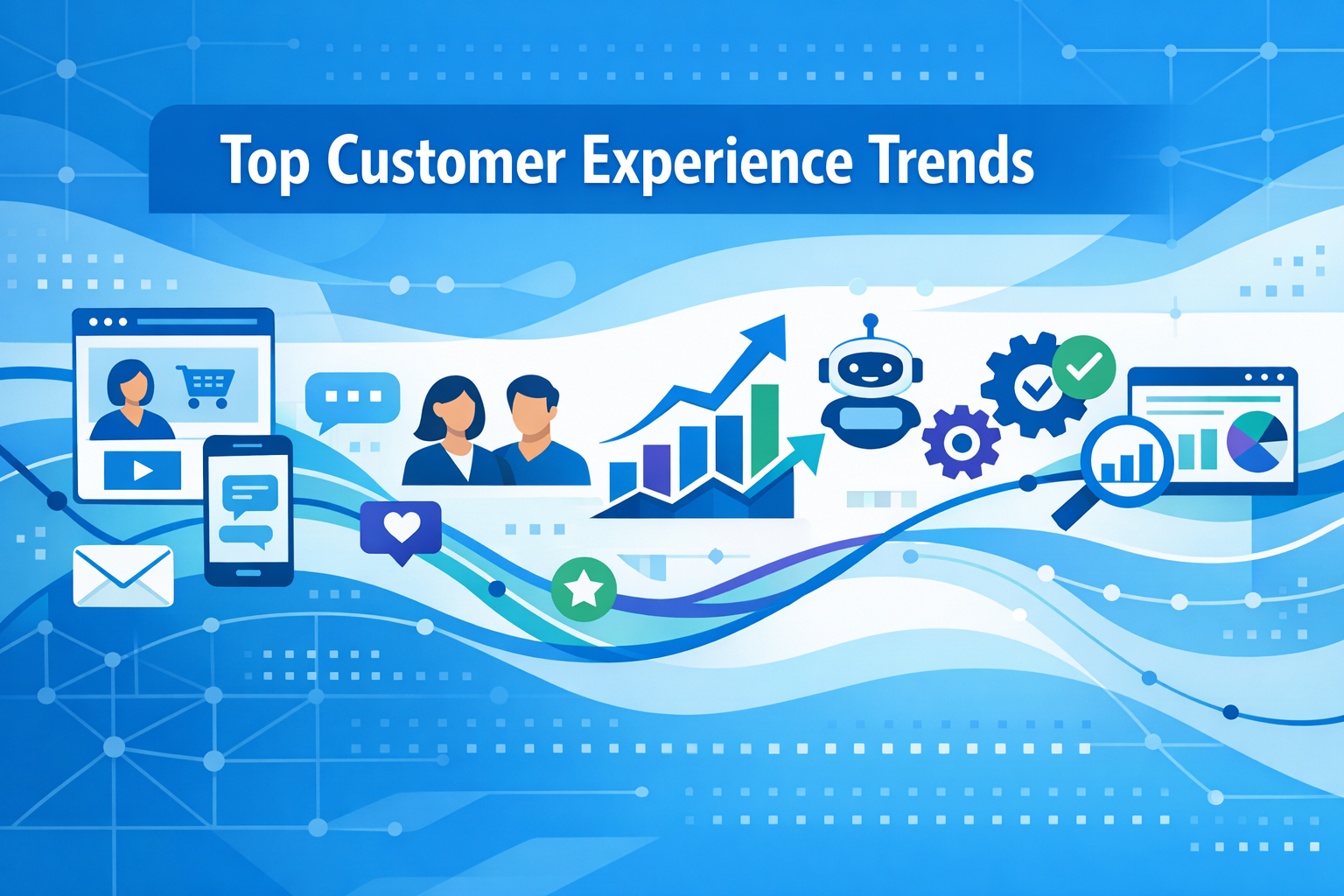
Top Customer Experience Trends for 2026
1. AI-Powered Personalization at Scale
In 2026, the top trend in CX is AI-powered personalization at scale. This isn’t just about using automation—it’s about delivering individualized experiences that feel human. Modern customers expect brands to know their preferences and serve relevant interactions across every channel, from web to mobile.
What it means for your business
AI-driven personalization helps you tailor every touchpoint to the individual. Instead of a one-size-fits-all experience, you can deliver dynamic recommendations, customised messaging, and intelligent support that adapts based on the real-time behavior of your potential customers. This leads to higher engagement, stronger loyalty, and better conversions without overwhelming your team.
How to implement it
Start by centralising customer data so patterns and preferences are visible. Then, use AI tools that analyse that data to predict needs and automate responses. Integrate personalization engines into your CRM, website, and messaging platforms to serve tailored content and offers. Finally, monitor, refine, and use performance metrics to improve how your AI models evolve.
2. Proactive and Predictive Customer Service
Proactive and predictive support is one of the most impactful customer experience trends shaping how businesses engage with their audience. Instead of waiting for issues to arise, companies now anticipate potential problems and intervene before the customer journey derails. This shift transforms support from a reactive approach into strategic guidance.
What it means for your business
By adopting proactive and predictive service, you give customers a smoother, more personalized experience. When your systems can forecast needs, like sending tips after a purchase, alerting users to potential delays, or flagging possible service issues, you reduce frustration and build trust. Customers feel understood and supported, which strengthens loyalty and boosts lifetime value.
How to implement it
Start by aggregating data from touchpoints across your business—support tickets, usage patterns, purchase behavior, and more. Use analytics and machine learning tools to identify trends that often lead to questions or problems. Next, set up automated alerts and communications that reach customers at the right moment with relevant solutions, FAQs, or proactive fixes. Finally, measure outcomes regularly and refine your triggers to ensure your interventions feel helpful, not intrusive.
3. Voice and Conversational AI Domination

Voice and conversational AI are rapidly becoming central to modern customer interactions. From smart assistants to chatbots, these technologies let customers receive instant, relevant support. In 2026, this shift isn’t just a convenience; it’s a new standard for seamless, responsive engagement.
What it means for your business
Integrating conversational AI elevates customer engagement by meeting users where they already are—on messaging platforms, voice interfaces, and in-app chats. These tools capture customer data in real time, enabling smarter interactions and faster resolutions. Over time, this improves response quality, creates consistency across channels, and boosts customer loyalty by reducing friction in every interaction.
How to implement it
Begin by mapping the most common customer questions and tasks across your support channels. Choose conversational AI solutions that integrate with your CRM and data systems so every interaction is informed by customer history. Train your AI on real conversation data to improve accuracy, and set up escalation paths to live agents when needed. Regularly review conversations to refine responses and expand capabilities.
4. Enhanced Data Privacy and Security
As customer experience industry trends evolve, data privacy and security have moved from optional to essential. Customers now expect brands to protect their personal information with the same level of care as they use it to deliver better experiences. In a world where breaches make headlines and trust is fragile, safeguarding data is part of delivering real value.
What it means for your business
Prioritizing privacy and security directly impacts customer satisfaction. When your audience knows their information is handled responsibly, they’re more likely to engage, share preferences, and return. This is especially true in B2B environments where clients often handle sensitive operational data; thus, regulatory compliance is critical. Strong protections build credibility and make your brand stand out.
How to implement it
Start by auditing where and how customer information is stored, processed, and shared. Adopt industry-standard security practices like encryption, two-factor authentication, and regular vulnerability testing. Be transparent—clearly communicate your privacy policies, how data is used, and the choices customers have over their information. Train your team on best practices and ensure compliance with regulations like GDPR or CCPA.
5. Self-Service and Automated Support
Self-service and automated support continue to reshape how companies deliver fast, efficient help. Today’s customers expect quick answers on demand, without waiting in queues or switching channels. Knowledge bases, AI chatbots, and guided workflows empower users to resolve issues on their own, while still feeling supported.
What it means for your business
Well-designed self-service options improve customer confidence and reduce friction across support journeys. When customers can quickly find solutions, satisfaction rises and support teams are freed to focus on complex, high-value interactions. Automated support also scales effortlessly, helping your business handle growth without sacrificing service quality.
How to implement it
Start by identifying the most common questions and repetitive tasks your support team handles. Build a clear, searchable knowledge base and integrate automated chat or in-app guidance to surface answers at the right moment. Use analytics to track where customers struggle and continuously refine content to stay relevant. Make sure automation feels helpful, not rigid—always provide a clear path to human support when needed.
6. Emotional Intelligence in Customer Interactions
Emotional intelligence is becoming a defining element of top customer experience. Beyond solving problems, customers want to feel understood, respected, and valued at every touchpoint. Whether interactions are handled by humans or AI, the ability to recognize emotions and respond appropriately plays a critical role in shaping perception and trust.
What it means for your business
When your brand communicates with empathy, it builds stronger relationships and reduces friction during sensitive or high-stress moments. Emotionally aware interactions lead to better outcomes—fewer escalations, higher satisfaction, and deeper loyalty. Customers remember how you made them feel, not just how quickly an issue was resolved.
How to implement it
Start by training support teams to listen actively, acknowledge emotions, and adapt tone based on context. For digital channels, use sentiment analysis tools that help detect frustration, urgency, or satisfaction in real time. Align scripts, automated responses, and escalation paths to prioritize empathy over efficiency. Regularly review conversations to refine language and ensure it reflects your brand values.
7. Real-Time Customer Feedback and Action
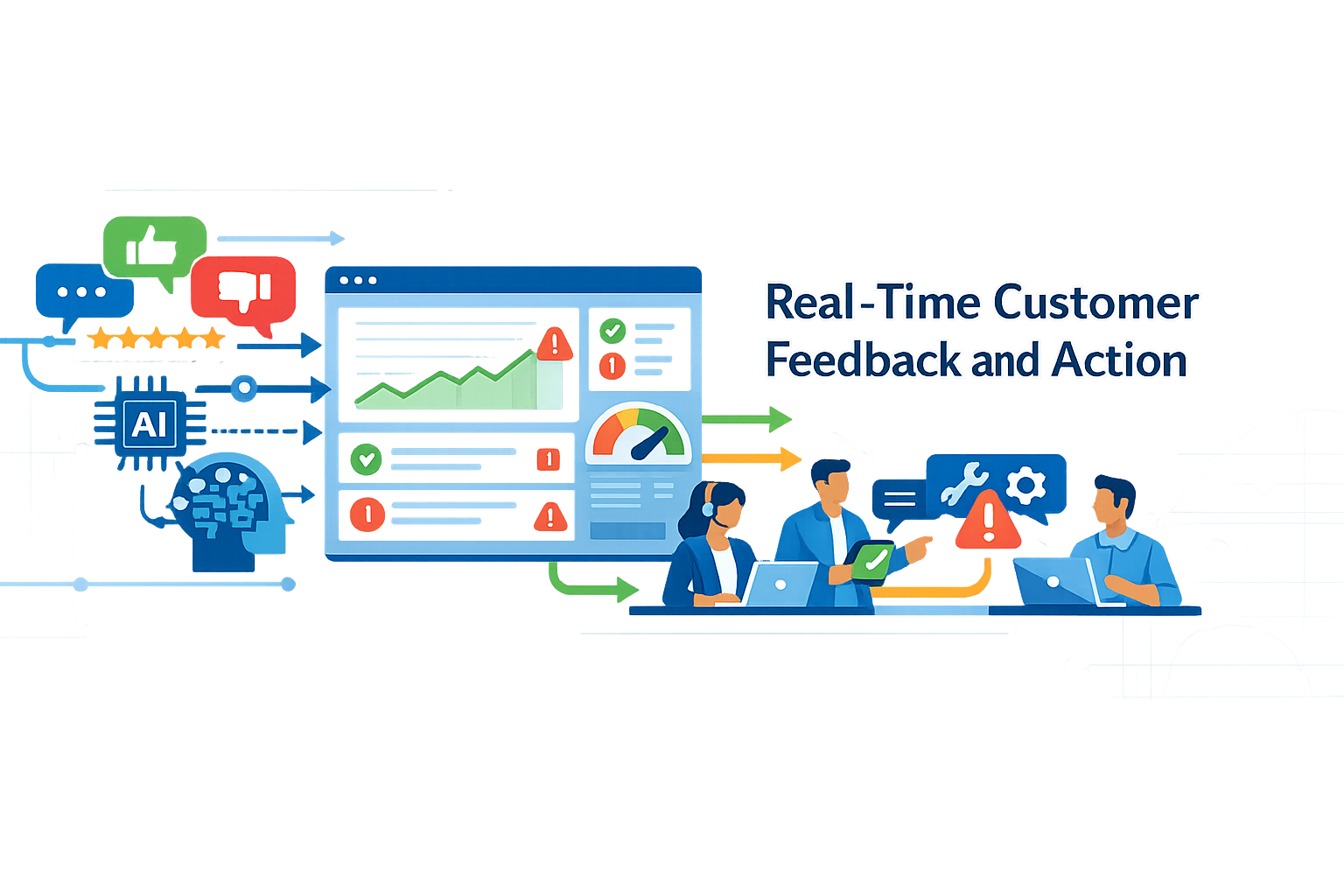
Real-time feedback is a defining customer experience trend that is reshaping the digital customer experience. Instead of relying on delayed surveys or historical data, businesses can now capture insights as interactions happen and act on them immediately. This approach turns feedback into a live signal that drives smarter, faster decisions.
What it means for your business
Responding to feedback in real time allows you to address issues before they escalate and reinforce what’s already working. Customers feel heard in the moment, not after the fact, which strengthens trust and satisfaction. For your business, this means faster optimization, more consistent experiences across channels, and a stronger ability to adapt as expectations evolve.
How to implement it
Embed feedback collection directly into key touchpoints such as websites, apps, checkout flows, and support interactions. Use real-time dashboards and alerts to surface insights as they emerge, and assign clear ownership for follow-up actions. Most importantly, close the loop—use what you learn to refine processes, test improvements, and continuously evolve your CX strategy.
8. Total Experience (TX) Strategy
Total Experience (TX) brings together customer experience, employee experience, user experience, and digital experience into one unified strategy. Rather than optimizing each area in isolation, TX focuses on how they connect, because every internal process ultimately impacts the customer. When these experiences are aligned, delivering a better customer experience becomes a natural outcome, not a separate initiative.
What it means for your business
A strong TX strategy breaks down silos and creates consistency across touchpoints. Employees are better equipped and more engaged, systems are easier to use, and customers benefit from smoother, more reliable interactions. This alignment leads to higher efficiency, stronger brand perception, and experiences that feel cohesive from start to finish.
How to implement it
Begin by mapping how internal tools, workflows, and teams influence customer-facing moments. Identify friction points where misalignment causes delays or confusion. Invest in platforms that connect data, processes, and teams across departments. Encourage cross-functional collaboration and set shared experience goals that extend beyond individual KPIs.
How to Prepare Your Business for These CX Trends
To stay ahead of new trends in customer experience, preparation needs to be practical and intentional. Focus on building a foundation that supports flexibility, insight, and continuous improvement:
- Audit your current CX stack to identify gaps, inefficiencies, and opportunities for alignment.
- Unify customer data across systems to gain a clear, actionable view of interactions and behavior.
- Empower your teams with the right tools, training, and autonomy to act on insights quickly.
- Test and iterate continuously, using real-time feedback to refine experiences as expectations evolve.
- Align CX goals across departments so everyone contributes to a consistent, high-quality experience.
Preparing now ensures your business can adapt, scale, and deliver meaningful experiences as customer expectations continue to rise.
Common Challenges in Implementing CX Trends
Adopting new trends in CX can boost your business, but common challenges need careful attention:
- Rising customer expectations
Customers demand faster, more personalized interactions across channels.
- Balancing automation and human touch
Over-reliance on technology can weaken customer relationships; human agents remain essential for complex issues.
- Integration hurdles
Connecting new tools with existing systems and workflows can be complex.
- Data accuracy and consistency
Poor data can lead to fragmented experiences and misaligned insights.
Addressing these challenges ensures technology enhances rather than replaces meaningful customer interactions.
The ROI of Investing in Customer Experience
Investing in trends customer experience delivers measurable value beyond satisfaction. Companies that prioritize CX see stronger customer success, higher retention, and increased loyalty. A seamless experience reduces friction, boosts engagement, and encourages repeat business, directly impacting revenue.
Every dollar spent on improving interactions—from personalization to real-time support — compounds over time through happier, more loyal customers. By measuring outcomes and aligning investments with strategic goals, businesses can clearly demonstrate that enhancing customer experience isn’t just a cost; it’s a driver of growth and long-term profitability.
Frequently Asked Questions
How Much Should I Invest in Customer Experience?
Investment depends on your goals and resources, but a clear experience strategy ensures every dollar drives measurable impact, from improved loyalty to higher retention.
Can Small Businesses Compete with CX Trends?
Absolutely—even small teams can excel when they focus on what customers expect companies to deliver, like personalized, timely, and seamless interactions.
How Do I Measure CX Improvement?
Track metrics such as satisfaction scores, retention rates, and feedback trends to see how well your initiatives enhance the overall customer journey.



.svg)