Table of Contents
- The Automation Evolution You Need to Understand
- What Traditional Automation Actually Does (And Where It Falls Short)
- How HubSpot AI Agents Change Everything
- HubSpot AI Agents vs. Traditional Automation: A Head-to-Head Comparison
- Real-World Impact: What Changes in Practice
- When Traditional Automation Still Wins
- The Hybrid Approach: Best of Both Worlds
- Implementation Considerations
- The Cost-Benefit Analysis
- Looking Ahead: The Future of Marketing Automation
- Making the Right Choice for Your Business
- Frequently Asked Questions
- Conclusion: The Transformation Is Already Underway
The Automation Evolution You Need to Understand
Marketing automation has served businesses well for over a decade. Set up your workflows, define your triggers, and watch the system execute flawlessly. But there's a fundamental problem: traditional automation can only do what you tell it to do. It can't think, adapt, or learn from results.
Enter AI agents—autonomous systems that don't just follow instructions but make intelligent decisions, learn from outcomes, and optimize themselves without constant human oversight. HubSpot's recent launch of Breeze AI Agents represents this paradigm shift, and it's changing how marketing, sales, and service teams operate.
This isn't just another feature update. It's a fundamental reimagining of what automation can accomplish.
What Traditional Automation Actually Does (And Where It Falls Short)
The Rule-Based Reality
Traditional marketing automation platforms—including HubSpot's classic workflows—operate on simple if-this-then-that logic. When a contact downloads an ebook, send them email A. If they click the link, add them to list B. If they don't open within 48 hours, try email C.
This approach works brilliantly for predictable, repetitive tasks:
- Welcome email sequences
- Lead scoring based on fixed criteria
- Task assignment to sales reps
- Form submission notifications
- Meeting reminders and follow-ups
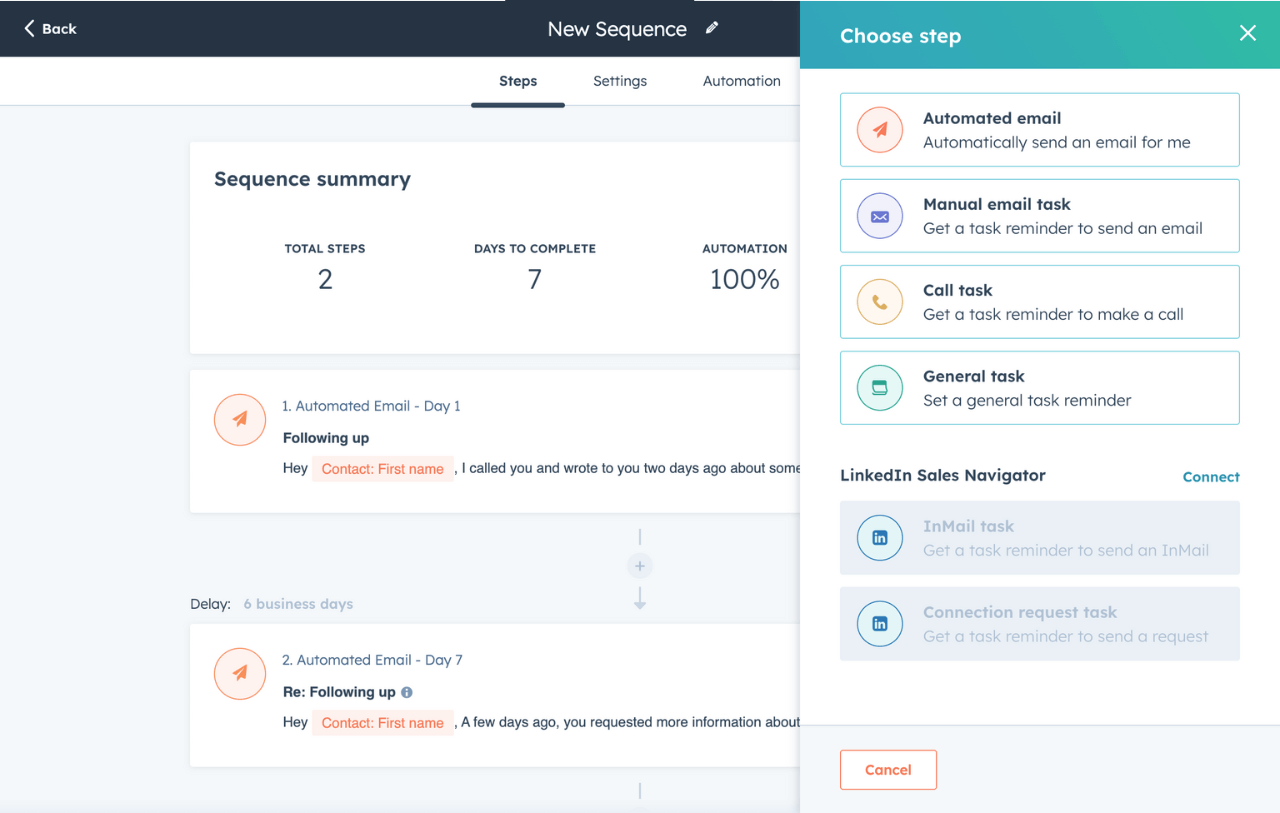
The problem? These workflows are only as smart as the person who built them. They can't adjust when customer behavior changes, they can't recognize new patterns, and they definitely can't optimize themselves based on performance data.
The Three Core Limitations
Limitation #1: Zero Adaptability
A traditional workflow stays exactly as you configured it until you manually update it. If your audience's engagement patterns shift, if a competitor launches a new campaign, or if market conditions change—your automation just keeps doing what it's always done.
Limitation #2: No Learning Capability
Traditional automation doesn't analyze results and improve. You have to run A/B tests manually, interpret the data yourself, and rebuild workflows based on your findings. The system never gets smarter on its own.
Limitation #3: Rigid Path Dependencies
Every possibility must be anticipated and programmed. If a prospect takes an unexpected action, your workflow either handles it clumsily or breaks entirely. There's no room for nuance or context-specific decision-making.
How HubSpot AI Agents Change Everything
Understanding Autonomous Intelligence
HubSpot's AI Agents (part of their Breeze platform) represent a fundamentally different approach. Instead of following predetermined paths, these agents operate with goal-oriented autonomy. You tell them what outcome you want, and they figure out the best way to achieve it.
Think of it this way: traditional automation is like giving someone detailed turn-by-turn directions. AI agents are like telling someone the destination and letting them navigate based on real-time traffic, weather, and road conditions.
The Four Core AI Agents HubSpot Offers
Breeze Prospecting Agent
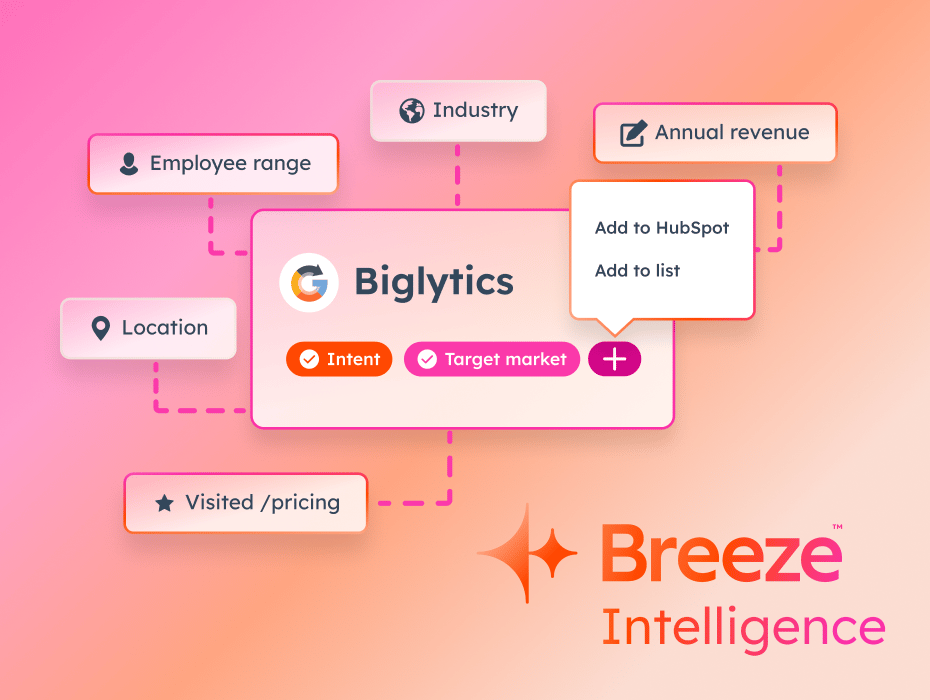
This agent doesn't just send prospecting emails—it researches target accounts, analyzes company websites and recent news, identifies key decision-makers, crafts personalized outreach, and even engages prospects in initial conversations.
The agent pulls data from HubSpot's CRM, external news sources, company blogs, and social profiles to build comprehensive account intelligence. It creates selling profiles customized for different products, personas, and markets, then adjusts its approach based on what works.
Breeze Content Agent
Rather than generating one-off blog posts, the Content Agent helps marketers scale content production across multiple channels. It creates blog articles, podcasts, case studies, landing pages, and social content while maintaining brand voice and strategic alignment.
The enhanced version now uses uploaded reference files to ensure accuracy, suggests topics based on your top-performing content, and handles pre-publish tasks like meta descriptions and confirmation emails automatically.
Breeze Customer Agent
Available 24/7, this agent handles customer inquiries across marketing, sales, and service contexts. It doesn't just answer questions—it qualifies prospects, books meetings, resolves support issues, and seamlessly hands off complex cases to human team members when needed.
The agent taps into your complete CRM data, knowledge base, and past interactions to provide accurate, contextual responses that feel genuinely helpful rather than robotic.
Breeze Social Media Agent
This agent analyzes post performance data, identifies what resonates with your audience, and suggests tailored content that drives engagement. It understands trending topics, optimal posting times, and content formats that work best for your specific followers.
What Makes Them Actually "Intelligent"
These aren't just fancy chatbots. HubSpot's AI Agents demonstrate genuine intelligence through four key capabilities:
Autonomous Decision-Making: They evaluate situations, weigh options, and choose the best course of action without waiting for human approval on every decision.
Contextual Understanding: They interpret complex inputs, understand intent behind customer questions, and respond appropriately to nuanced situations.
Continuous Learning: They analyze outcomes, identify what works, and refine their approach over time—getting better with every interaction.
Multi-Agent Orchestration: Different agents can work together, with one agent's output becoming another's input. The Prospecting Agent might research an account, then hand off intelligence to a sales rep while the Content Agent creates supporting materials.
The Head-to-Head Comparison
Setup and Configuration
Traditional Automation: Requires detailed mapping of every possible path. You define triggers, set conditions, create branches for different scenarios, and test extensively. Changes require going back into the workflow builder and manually updating logic.
AI Agents: You establish goals, provide training data, set guardrails, and let the agent develop its own approach. Configuration focuses on desired outcomes rather than specific execution steps.
Adaptability to Change
Traditional Automation: Static until manually updated. When your strategy shifts or market conditions change, workflows must be rebuilt or reconfigured by hand.
AI Agents: Dynamically adjust based on real-time performance data. If certain messaging resonates better, agents naturally emphasize those approaches without manual intervention.
Handling Edge Cases
Traditional Automation: Either fails or produces poor results when encountering scenarios outside predefined paths. Requires constant maintenance to cover new possibilities.
AI Agents: Apply reasoning to novel situations, make contextually appropriate decisions, and learn from unique cases to handle similar scenarios better in the future.
Personalization Depth
Traditional Automation: Segments contacts based on fixed criteria (industry, company size, behavior triggers) and delivers templated variations.
AI Agents: Generate truly individualized experiences by synthesizing multiple data points, understanding context, and creating unique responses for each interaction.
Performance Optimization
Traditional Automation: You run tests, analyze results, draw conclusions, and manually optimize based on findings—a time-consuming cycle measured in weeks or months.
AI Agents: Continuously test, learn, and refine in real-time. Optimization happens automatically as part of normal operation, with improvements compounding over time.
Resource Requirements
Traditional Automation: Demands significant upfront time investment from skilled marketers to build comprehensive workflows. Ongoing maintenance requires dedicated resources.
AI Agents: Require thoughtful initial setup and training but dramatically reduce ongoing maintenance burden. Teams spend less time on execution and more on strategy.
Real-World Impact: What Changes in Practice
For Marketing Teams
Before (Traditional Automation): Marketers spend weeks building email nurture sequences, carefully mapping every contingency. They manually A/B test subject lines, analyze open rates, and rebuild workflows based on findings. Each campaign requires substantial setup and monitoring.
After (AI Agents): Marketers define campaign goals and target audiences. Agents handle research, content creation, personalization, and optimization automatically. Marketing teams shift focus from execution logistics to strategic planning and creative direction.
Measurable Difference: According to industry data, teams using AI agents reallocate up to 30% of their time toward strategic initiatives versus tactical execution tasks.
For Sales Teams
Before (Traditional Automation): Sales reps manually research prospects, craft personalized outreach emails, follow up based on rigid schedules, and log activities in the CRM. Prospecting consumes hours that could be spent on actual selling.
After (AI Agents): The Prospecting Agent handles research, identifies optimal contact times, personalizes initial outreach, and even conducts preliminary qualification conversations. Sales reps focus exclusively on high-value activities: building relationships and closing deals.
Measurable Difference: HubSpot customers using the Prospecting Agent report building pipeline faster with less manual effort, allowing reps to handle more accounts simultaneously.
For Service Teams
Before (Traditional Automation): Support teams respond to tickets during business hours, route complex issues manually, and rely on static knowledge base articles. After-hours queries wait until the next day.
After (AI Agents): The Customer Agent provides 24/7 instant support, resolves common issues autonomously, and intelligently escalates complex cases with full context to human agents. Customers get faster resolutions regardless of time zones.
Measurable Difference: Some HubSpot customers report reducing support ticket volume by up to 77% while simultaneously improving customer satisfaction through around-the-clock availability.
When Traditional Automation Still Wins
AI agents aren't always the right tool. Traditional automation excels in specific scenarios:
Compliance-Critical Workflows
When regulatory requirements demand exact, documented processes with complete audit trails, rule-based automation provides certainty. Healthcare appointment reminders, financial disclosure requirements, and legal notification systems benefit from predictable, unchanging workflows.
Simple, High-Volume Tasks
For straightforward operations like sending order confirmations, processing registrations, or triggering internal notifications, traditional automation is efficient and cost-effective. AI overhead adds complexity without meaningful benefit.
Budget-Constrained Scenarios
AI agent implementations typically require higher-tier HubSpot subscriptions or additional costs. Small businesses with limited budgets often get better ROI from traditional automation for basic needs.
Processes Requiring Perfect Predictability
When stakeholders need complete visibility into exactly what will happen under every circumstance, traditional automation's transparency provides comfort. AI agents' autonomous decision-making can feel like a black box to risk-averse organizations.
The Hybrid Approach: Best of Both Worlds
Strategic Integration
The most sophisticated HubSpot implementations don't choose between AI agents and traditional automation—they deploy both strategically:
Use Traditional Automation For:
- Internal process triggers and notifications
- Simple transactional communications
- Scheduled reporting and data syncs
- Compliance-driven workflows
- Basic lead scoring and assignment
Use AI Agents For:
- Customer-facing interactions requiring personalization
- Content creation and optimization
- Prospect research and outreach
- Complex support scenarios
- Strategic campaign development
Workflow Orchestration
AI agents and traditional workflows can collaborate seamlessly. For example:
- Traditional workflow detects high-intent behavior (demo request)
- AI agent researches the company and creates personalized briefing
- Traditional workflow assigns to appropriate sales rep based on territory
- AI agent prepares customized presentation materials
- Traditional workflow schedules follow-up tasks
- AI agent monitors engagement and suggests next actions
This hybrid model leverages automation's reliability for structural tasks while deploying AI intelligence where it delivers maximum value.
Implementation Considerations
Getting Started with HubSpot AI Agents
Step 1: Identify High-Impact Use Cases
Don't try to deploy AI agents everywhere immediately. Start with areas where autonomous intelligence provides clear advantages:
- Customer service with high repetitive query volume
- Sales prospecting for large target account lists
- Content creation for multiple channels
- Lead qualification at scale
Step 2: Prepare Your Data Foundation
AI agents perform only as well as the data they access. Before implementation:
- Audit your CRM data quality
- Ensure consistent contact and company information
- Document your knowledge base comprehensively
- Integrate relevant external data sources
Step 3: Establish Clear Goals and Guardrails
Define what success looks like and set appropriate boundaries:
- What outcomes matter most (meetings booked, tickets resolved, content published)?
- What tone and brand voice should agents maintain?
- Which decisions require human oversight?
- How will you measure agent performance?
Step 4: Train and Test Thoroughly
AI agents improve with experience, but proper training accelerates this:
- Provide reference materials and examples
- Test with limited audiences initially
- Monitor interactions closely during rollout
- Gather feedback from team members and customers
Step 5: Optimize Continuously
Unlike traditional automation's "set and forget" nature, AI agents benefit from ongoing refinement:
- Review performance metrics regularly
- Update training data as business evolves
- Expand capabilities gradually
- Share insights across teams
Common Pitfalls to Avoid
Over-Automation: Don't eliminate human touchpoints where relationships matter. AI agents should enhance, not replace, genuine human connection.
Insufficient Training: Agents deployed without proper context and examples produce mediocre results. Invest time in comprehensive setup.
Ignoring Analytics: AI agents generate valuable performance data. Organizations that don't analyze this miss optimization opportunities.
Resistance to Change: Teams accustomed to traditional workflows may resist new approaches. Proper change management and training are essential.
The Cost-Benefit Analysis
Investment Requirements
Traditional Automation:
- Included in most HubSpot plans at no additional cost
- Primary investment is time (building workflows)
- Ongoing costs are maintenance hours
AI Agents:
- Available in Professional and Enterprise HubSpot tiers
- Some agents included, others require credits
- Initial setup investment higher
- Ongoing optimization time lower
Return on Investment Factors
Efficiency Gains: AI agents automate tasks that traditional workflows can't handle, particularly those requiring judgment or personalization. This creates labor savings beyond what basic automation achieves.
Quality Improvements: Agents' ability to learn and optimize means performance compounds over time. Traditional automation maintains static performance levels.
Scalability: AI agents handle volume increases without proportional resource growth. You can engage more prospects, support more customers, and produce more content without expanding teams linearly.
Opportunity Costs: Time saved on execution enables teams to pursue higher-value strategic initiatives that traditional automation doesn't free up capacity for.
Break-Even Timeline
For most mid-market companies, AI agent implementations reach positive ROI within 3-6 months. Organizations see this through:
- Reduced time spent on manual prospect research (2-3 hours per sales rep weekly)
- Increased content production without additional headcount (5-10+ assets monthly)
- Lower support ticket resolution time (30-50% reduction)
- Higher conversion rates from personalized engagement (15-25% improvement)
Looking Ahead: The Future of Marketing Automation
Where This Technology Is Heading
Multi-Agent Ecosystems: HubSpot's agent.ai network envisions hundreds of specialized agents working together. Marketing strategy agents collaborating with sales enablement agents, supported by analytics agents and creative agents—all orchestrated automatically.
Predictive Capabilities: Future agents won't just react and optimize; they'll anticipate needs. Predicting which prospects will convert, which customers risk churning, which content topics will trend—and acting on these insights proactively.
Deeper Integration: As AI agents become more sophisticated, expect tighter integration across your entire tech stack. Agents that seamlessly work across CRM, analytics, advertising platforms, and productivity tools without friction.
Natural Language Control: The shift toward conversational interfaces means teams will interact with AI agents through simple requests: "Build a campaign targeting enterprise SaaS companies showing buyer intent signals in the security category." The agent handles everything else.
Preparing Your Organization
Skill Development: Marketing teams need less technical workflow-building expertise and more strategic thinking capability. Invest in training around goal-setting, performance analysis, and creative strategy.
Process Evolution: As AI agents handle execution, traditional role boundaries blur. Marketers become strategists, salespeople become relationship architects, and service reps become experience designers.
Governance Frameworks: Establish clear policies around AI agent usage, decision-making authority, brand voice adherence, and escalation protocols before widespread deployment.
Competitive Advantage: Organizations that master AI agent integration early will develop capabilities competitors struggle to match. This technology compounds advantage over time through continuous learning.
Making the Right Choice for Your Business
Decision Framework
Choose Traditional Automation When:
- Your processes are straightforward and repetitive
- Predictability matters more than optimization
- Budget constraints limit technology investment
- Compliance requires documented, unchanging workflows
- Your team lacks resources for AI implementation
Choose AI Agents When:
- Tasks require personalization at scale
- Optimization potential justifies investment
- You need to handle complexity without expanding headcount
- Customer experience differentiation drives competitive advantage
- Your organization embraces technological innovation
Choose Both When:
- You operate at sufficient scale to justify hybrid approaches
- Different functions have varying needs
- You're committed to best-in-class customer experience
- Resource optimization is a strategic priority
Getting Started Today
If you're convinced AI agents fit your needs, here's your immediate action plan:
-
Audit Current State: Identify which manual processes consume the most team time and which traditional workflows underperform.
-
Prioritize Use Cases: Select 1-2 high-impact scenarios for initial AI agent deployment based on potential ROI and implementation complexity.
-
Check HubSpot Tier: Verify your subscription includes AI agent access or budget for upgrade if necessary.
-
Assemble Data: Gather training materials, knowledge base content, and performance baselines for your chosen use cases.
-
Run Pilot: Implement with limited scope, measure carefully, learn quickly, and expand based on results.
-
Educate Teams: Ensure everyone understands how AI agents work, what they'll handle, and how human roles evolve.
Frequently Asked Questions
Will AI agents replace marketing automation workflows entirely?
No. Traditional workflows remain ideal for simple, predictable tasks where reliability matters more than intelligence. The future is hybrid deployment—using each tool where it provides maximum value.
How much do HubSpot AI Agents cost?
Pricing varies by agent and HubSpot tier. The Customer Agent is available across plans with varying credit allocations. Other agents like Prospecting and Content Agents typically require Professional or Enterprise subscriptions. Check HubSpot's current pricing for specific details.
Can AI agents work with our existing HubSpot workflows?
Yes. AI agents integrate seamlessly with traditional HubSpot features. You can trigger agents from workflows, use agent outputs in subsequent workflow steps, and combine both approaches strategically.
What data do AI agents need to work effectively?
Agents perform best with comprehensive CRM data (contacts, companies, deals, tickets), robust knowledge base content, historical interaction data, and clearly defined goals. The richer your data foundation, the more intelligent agent behavior becomes.
How do we maintain brand voice with AI-generated content?
HubSpot AI agents learn from examples you provide. Upload brand guidelines, sample content, and tone references during setup. Agents adapt to your specific voice, though human review ensures consistency, especially initially.
What about privacy and data security with AI agents?
HubSpot's AI features operate within their existing security framework. Customer data remains protected by the same standards as traditional CRM usage. Agents don't share data between customers and follow standard compliance protocols.
How long does it take to see results from AI agents?
Most organizations observe measurable improvements within the first month—faster response times, increased engagement rates, or reduced manual workload. Optimization compounds over time, with peak performance typically reached within 3-6 months.
Can small businesses benefit from AI agents or are they only for enterprises?
AI agents scale to business size. Even solo entrepreneurs gain value from 24/7 customer support or automated prospecting. The key is matching agent capabilities to actual needs rather than implementing technology for its own sake.
Conclusion: The Transformation Is Already Underway
The question isn't whether AI agents will replace traditional automation—it's how quickly your organization will adapt to this fundamental shift in marketing technology.
HubSpot's Breeze AI Agents represent more than incremental improvement. They're the beginning of autonomous marketing operations where systems don't just execute tasks but think strategically, learn continuously, and optimize independently.
Traditional automation served its purpose brilliantly for over a decade, and it still has important roles to play. But the future belongs to organizations that embrace intelligent, adaptive systems capable of operating at scales and sophistication levels impossible with rule-based logic alone.
The marketing teams thriving three years from now won't be those with the most complex workflows. They'll be the ones who figured out how to deploy AI agents strategically, maintained human creativity and judgment where it matters most, and built operations that grow smarter every single day.
The transformation has already started. The only question is whether you'll lead it or catch up to it.



.svg)