Table of Contents
- The Help Desk Decision: Where CRM Evolution Begins
- Understanding Platform Philosophies in 2026
- AI-Powered Customer Intelligence
- Hyper-Personalization at Scale
- The Convergence of CRM and Customer Service
- Privacy-First CRM Architecture
- Ecosystem Integration Renaissance
- The Rise of Predictive Relationship Management
- Mobile-First to Mobile-Only CRM
- Autonomous Customer Journey Orchestration
- The New Economics of CRM
- Migration Considerations for 2026
- Strategic Recommendations Framework
- Frequently Asked Questions
The Help Desk Decision: Where CRM Evolution Begins
The landscape of customer relationship management in 2026 begins not with grand strategic visions, but with a fundamental operational choice that every organization faces: how should customer inquiries be handled? This seemingly tactical decision has become the cornerstone of modern CRM strategy, as the boundaries between help desk, service management, and relationship cultivation have effectively dissolved.
Organizations are discovering that the traditional separation between "CRM systems" and "help desk platforms" represents an outdated paradigm. Every customer interaction—whether it's a support ticket, a sales inquiry, or a casual conversation—now feeds into a unified intelligence layer that shapes the entire relationship trajectory. The help desk decision, therefore, is really about choosing your organization's foundational approach to customer understanding.
This shift explains why forward-thinking companies are reevaluating their technology stacks from the ground up. The question is no longer "Which CRM should we use?" but rather "What philosophy of customer engagement will drive our organization's success?" This philosophical framework becomes particularly relevant as we examine the transformative trends reshaping CRM in 2026.
Understanding Platform Philosophies in 2026
The CRM market in 2026 operates on fundamentally different philosophical principles than previous generations. Three distinct approaches have emerged, each with profound implications for organizational strategy:
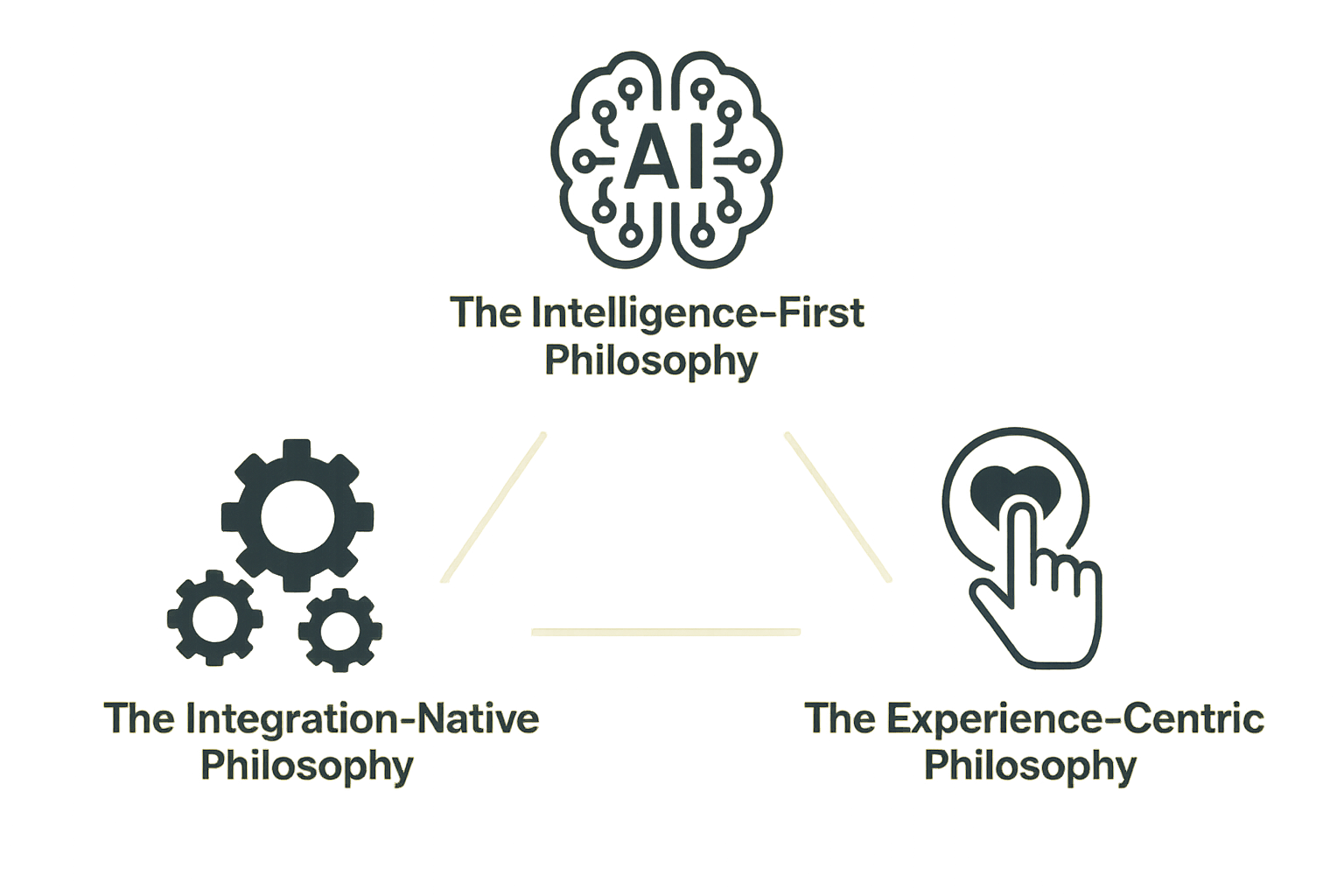
The Intelligence-First Philosophy
This approach treats customer data as raw material for predictive modeling rather than simply historical records. Platforms embracing this philosophy prioritize machine learning capabilities, automated insight generation, and proactive recommendation engines. The system doesn't wait for users to ask questions—it anticipates needs and surfaces opportunities.
Organizations adopting intelligence-first platforms find themselves operating more like data-driven research laboratories, constantly testing hypotheses about customer behavior and iterating based on results. The CRM becomes less about tracking and more about discovering patterns that humans might miss.
The Integration-Native Philosophy
Rather than attempting to be everything to everyone, integration-native platforms position themselves as orchestration layers that connect best-of-breed tools. These systems acknowledge that no single vendor can excel at every function, so they optimize for seamless data flow and unified experiences across multiple specialized applications.
Companies choosing this path prioritize flexibility and adaptability over comprehensive feature sets. They're betting that the future belongs to composable architectures where organizations assemble their ideal tech stack from carefully selected components.
The Experience-Centric Philosophy
This philosophy inverts traditional CRM thinking by starting with desired customer experiences and working backward to required capabilities. Experience-centric platforms measure success not by features implemented but by customer satisfaction, engagement depth, and relationship quality metrics.
These systems often sacrifice configurability for elegance, betting that most organizations benefit more from thoughtfully designed default experiences than from infinite customization options. The emphasis shifts from "what can this system do?" to "how does this system make customers feel?"
Understanding which philosophy aligns with your organization's DNA becomes essential as we explore specific predictions for 2026.
AI-Powered Customer Intelligence
Artificial intelligence in CRM has evolved far beyond basic chatbots and simple automation. By 2026, AI functions as a collaborative team member that augments human decision-making across every customer interaction.
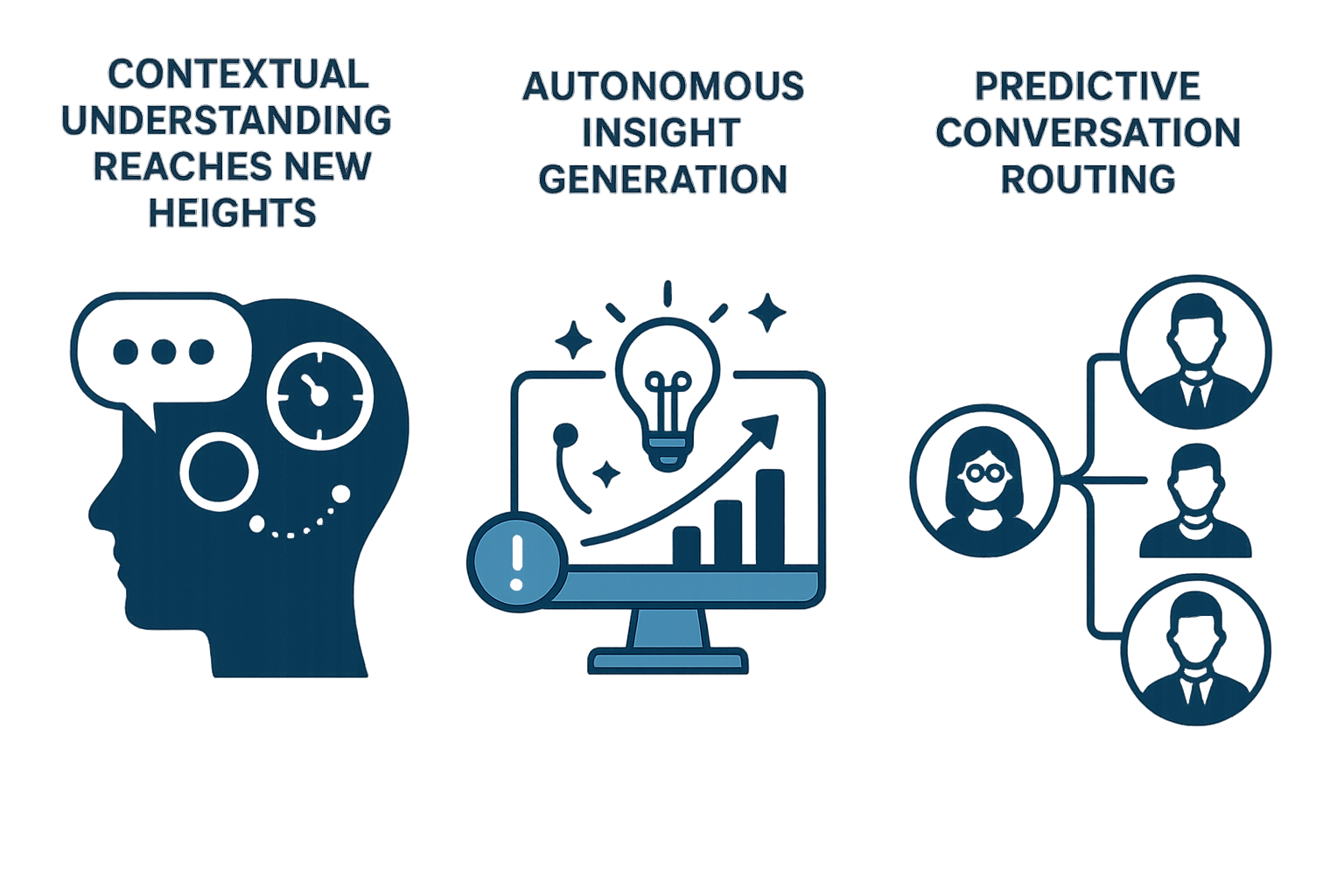
Contextual Understanding Reaches New Heights
Modern CRM AI systems process not just what customers say, but how they say it, when they say it, and what they leave unsaid. Sentiment analysis has matured into emotional intelligence mapping that tracks customer mood trajectories over time, identifying subtle shifts in satisfaction levels before they manifest as churn signals.
These systems analyze voice patterns, writing styles, response times, and engagement patterns to build comprehensive psychological profiles. Organizations can now predict with remarkable accuracy which customers are experiencing friction, which are considering competitive alternatives, and which are ready for expansion opportunities.
Autonomous Insight Generation
The most significant shift is CRM systems that proactively surface insights without being prompted. Sales teams receive automatic notifications about customers whose behavior patterns suggest readiness to purchase. Service teams get alerts about customers whose frustration levels are escalating across multiple channels. Marketing teams discover micro-segments with unexpectedly high lifetime value potential.
This autonomous intelligence extends to competitive awareness. Advanced CRM platforms monitor public data sources, social media signals, and market movements to alert relationship managers when competitors make moves that might affect their accounts. The system becomes a tireless research assistant that never stops analyzing and learning.
Predictive Conversation Routing
Rather than simple rule-based assignment, 2026 CRM systems use sophisticated matching algorithms to connect customers with the team members most likely to achieve positive outcomes. These decisions factor in personality compatibility, subject matter expertise, historical success rates, and even current workload stress levels.
The result is dramatically improved first-contact resolution rates and higher customer satisfaction scores. Organizations report that this intelligent routing alone generates measurable ROI within weeks of implementation.
For businesses looking to leverage these advanced AI capabilities while maintaining their existing customer data, platforms like SyncMatters provide crucial migration expertise that ensures historical interaction data feeds effectively into new AI models.
Hyper-Personalization at Scale
The concept of personalization has been discussed for decades, but 2026 marks the year when truly individualized experiences become operationally feasible at enterprise scale.

Beyond Segmentation to True Individuation
Traditional CRM personalization relied on segmentation—grouping customers into buckets based on shared characteristics. Modern approaches recognize that every customer represents a unique combination of preferences, contexts, and needs that defy simple categorization.
Advanced CRM platforms now maintain dynamic, individual customer models that update in real-time as new interactions occur. These models incorporate hundreds of variables: communication channel preferences, optimal contact timing, content format preferences, decision-making styles, price sensitivity patterns, and feature prioritization.
Adaptive Communication Strategies
Rather than applying uniform communication strategies, 2026 CRM systems customize every touchpoint based on individual customer profiles. Some customers receive concise, data-driven messages while others get detailed narrative explanations. Some prefer proactive outreach while others value space and autonomy.
The system continuously tests and refines these approaches through automated A/B testing at the individual level. Each customer's profile includes a learning history that tracks which communication styles, content types, and engagement strategies have proven most effective for that specific individual.
Contextual Relevance Engines
Modern CRM platforms understand that the same customer needs different things at different times. A contextual relevance engine considers factors like time of day, day of week, current location, recent activities, pending tasks, and even external factors like weather or local events when determining what information to present and how to present it.
This contextual awareness extends to predicting optimal intervention timing. Rather than sending messages when convenient for the organization, systems calculate when each customer is most receptive to specific types of communication. The result is dramatically higher engagement rates and reduced perception of marketing fatigue.
Privacy-Respectful Personalization
Importantly, sophisticated personalization in 2026 operates within strict privacy boundaries. Customers maintain granular control over what data is collected, how it's used, and when personalization engines can activate. Transparent personalization has emerged as a competitive differentiator, with organizations openly explaining why they're making specific recommendations or suggestions.
This transparency builds trust while simultaneously improving system performance, as customers who understand the value exchange willingly share more information that enhances their personalized experiences.
The Convergence of CRM and Customer Service
The artificial boundaries between sales, marketing, and service CRM systems have collapsed entirely by 2026, giving rise to unified customer success platforms that treat every interaction as part of a continuous relationship journey.
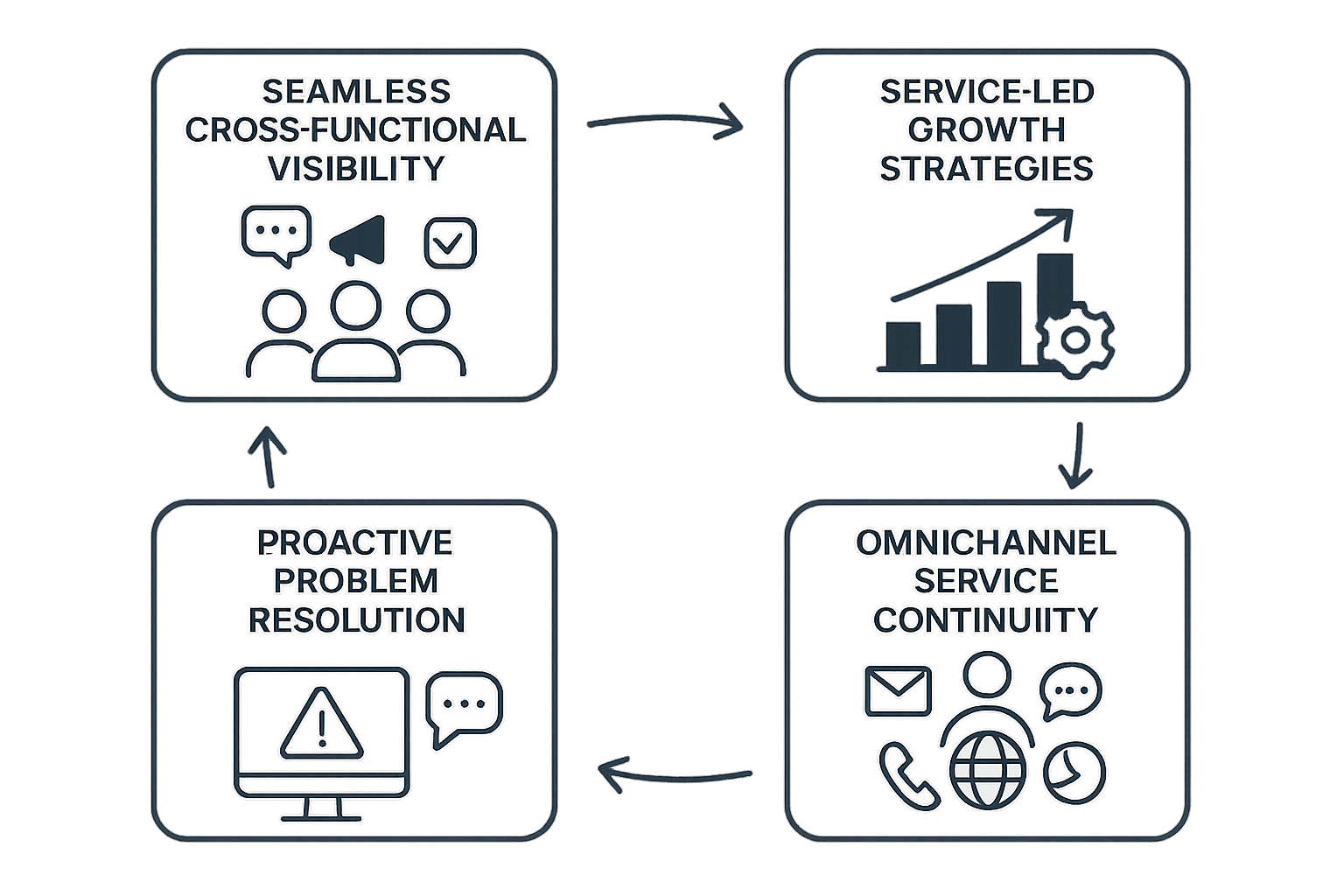
Seamless Cross-Functional Visibility
In modern implementations, support agents see the complete customer journey including sales conversations, marketing interactions, and product usage patterns. Sales teams access service histories to understand pain points and satisfaction levels. Marketing teams leverage support data to identify common questions that should be addressed in content.
This visibility transforms organizational culture. Functional silos become collaborative networks where team members across departments coordinate their activities based on shared understanding of customer needs and circumstances.
Service-Led Growth Strategies
Progressive organizations have inverted traditional growth models by making customer service the primary engine for expansion. Rather than viewing support as a cost center, they recognize that exceptional service experiences drive referrals, expansions, and retention more effectively than traditional sales activities.
CRM platforms designed for this reality prioritize service efficiency metrics, customer health scoring, and expansion opportunity identification within support contexts. The system automatically flags satisfied customers as candidates for case studies, referral programs, or upsell conversations.
Proactive Problem Resolution
Advanced CRM systems monitor customer behavior patterns, product usage data, and system telemetry to identify potential problems before customers experience them. Service teams receive automated alerts about customers whose usage patterns suggest confusion, frustration, or unrealized value.
This proactive approach transforms customer service from reactive ticket resolution to strategic relationship optimization. Organizations report dramatic reductions in inbound support volume as systems catch and address issues before they generate complaints.
Omnichannel Service Continuity
Customers in 2026 expect to move fluidly between communication channels without repeating information or losing context. Modern CRM platforms maintain unified conversation threads that seamlessly span email, chat, phone, social media, and in-person interactions.
The system automatically selects optimal channels for different types of communications while respecting customer preferences. A complex technical issue might trigger an automatic phone call scheduling request, while a simple status update arrives via text message.
Organizations executing this convergence strategy often partner with specialists like SyncMatters to ensure their migration to unified platforms preserves historical context across previously siloed systems, maintaining conversation continuity that customers have come to expect.
Privacy-First CRM Architecture
The regulatory landscape and customer expectations around data privacy have fundamentally reshaped CRM architecture in 2026. Privacy is no longer a compliance checkbox but a core design principle that influences every system capability.
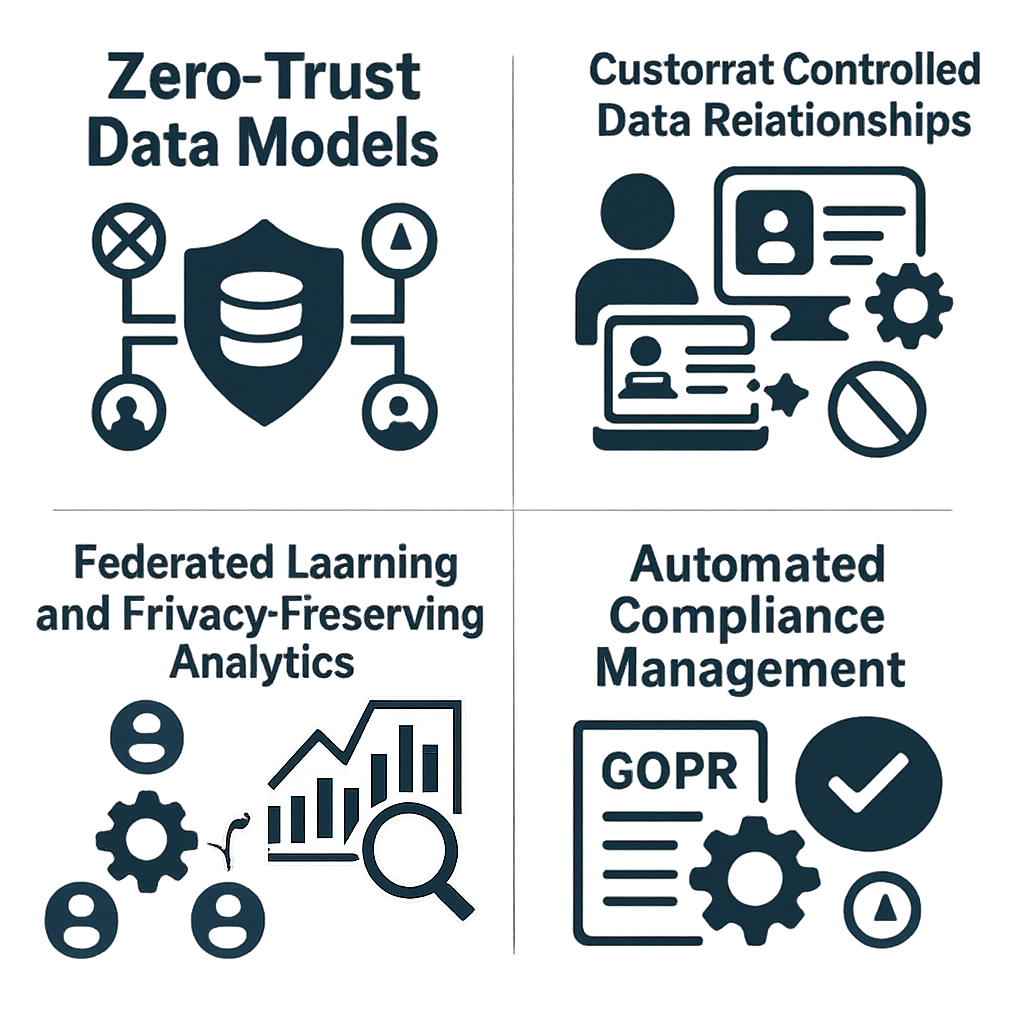
Zero-Trust Data Models
Modern CRM platforms operate on zero-trust principles where no data is collected, stored, or processed without explicit purpose and authorization. Each piece of customer information includes metadata specifying why it was collected, how long it can be retained, what purposes it serves, and which teams can access it.
This granular governance extends to AI and analytics capabilities. Machine learning models must demonstrate compliance with privacy policies before accessing customer data, and organizations can audit exactly which customer information influenced which predictions or recommendations.
Customer-Controlled Data Relationships
Leading CRM implementations give customers unprecedented control over their data. Through customer portals, individuals can view exactly what information the organization holds about them, understand how it's being used, modify or correct inaccuracies, and selectively revoke permissions for specific data uses.
Some progressive organizations go further, providing data portability that allows customers to export their complete interaction history in standardized formats. This transparency builds trust while paradoxically encouraging customers to share more information because they feel control over the relationship.
Federated Learning and Privacy-Preserving Analytics
To balance privacy requirements with the need for aggregate insights, 2026 CRM platforms increasingly employ federated learning techniques. These approaches allow organizations to gain intelligence from customer behavior patterns without centralizing or directly accessing individual customer data.
The system learns from patterns across customer bases while maintaining strict isolation of individual records. Insights emerge from the collective without compromising the individual—a technical architecture that aligns commercial interests with privacy imperatives.
Automated Compliance Management
Rather than requiring manual compliance efforts, modern CRM platforms include built-in governance engines that automatically enforce regulations like GDPR, CCPA, and emerging data protection frameworks. These systems track consent status, manage data retention schedules, process deletion requests, and generate compliance documentation without human intervention.
Organizations benefit from dramatically reduced compliance risk and lower administrative overhead while customers gain confidence that their data is being handled responsibly.
Ecosystem Integration Renaissance
The CRM landscape in 2026 has moved beyond simple API connections to create sophisticated ecosystem orchestration where multiple specialized platforms collaborate seamlessly to deliver unified customer experiences.
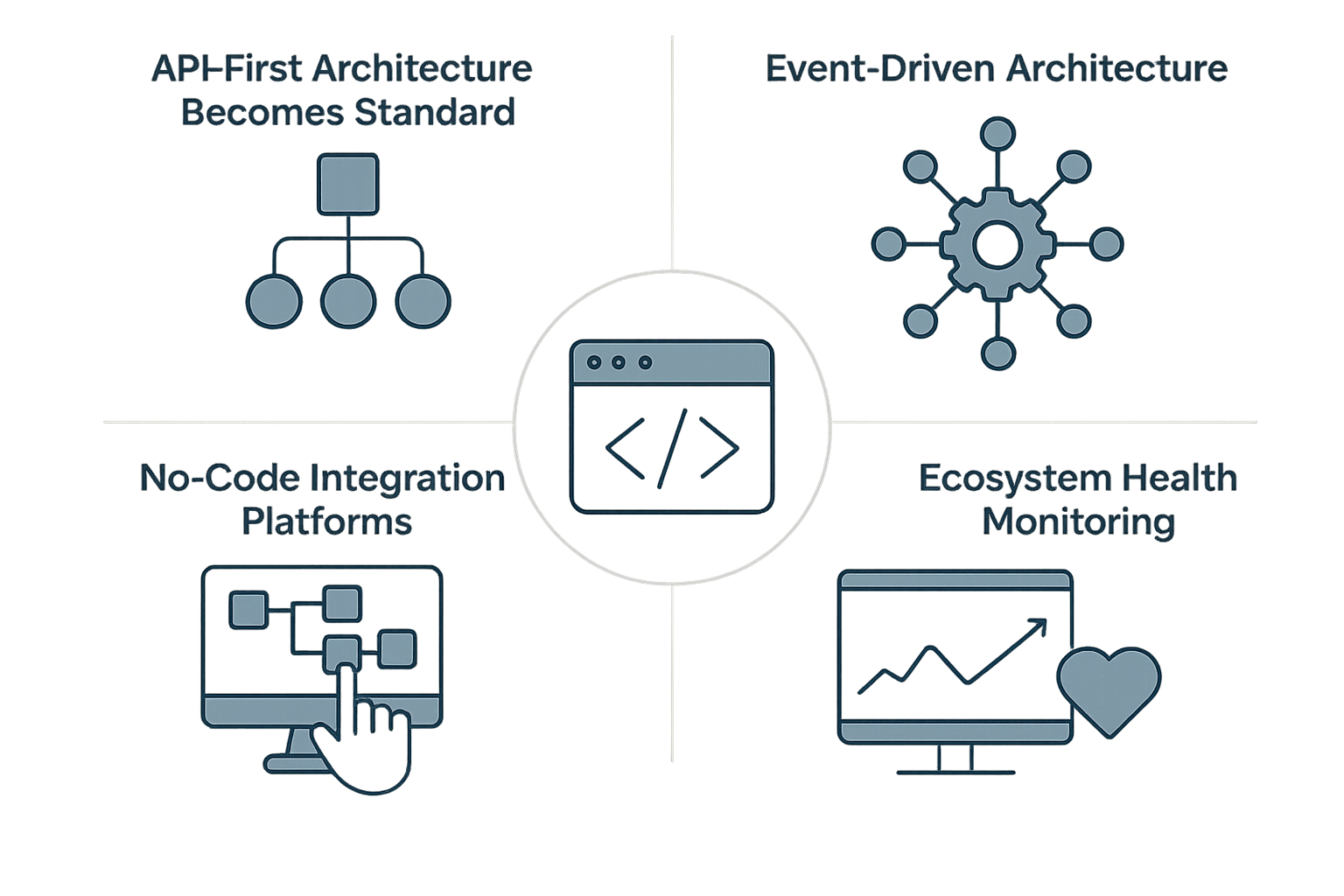
API-First Architecture Becomes Standard
Modern CRM platforms are built from the ground up with API-first architecture, meaning every feature accessible through the user interface is also available programmatically. This design philosophy enables organizations to create custom workflows, build proprietary applications, and integrate with virtually any other system.
The emphasis shifts from "Does this CRM have feature X?" to "Can this CRM coordinate effectively with our best-of-breed tool for X?" This architectural approach unlocks unprecedented flexibility as organizations assemble technology stacks optimized for their specific needs rather than accepting one-size-fits-all solutions.
No-Code Integration Platforms
While API-first architecture provides powerful capabilities, technical complexity historically limited integration initiatives to organizations with substantial development resources. The maturation of no-code integration platforms has democratized this capability in 2026.
Business users can now build sophisticated multi-system workflows using visual interfaces that require no programming knowledge. Marketing operations specialists create campaigns that coordinate CRM, email platform, advertising system, and analytics tool activities through simple drag-and-drop interfaces.
These platforms include pre-built connectors for common applications, reducing integration from months-long development projects to hours-long configuration tasks. The result is dramatically accelerated time-to-value for new CRM implementations.
Event-Driven Architecture
Rather than relying on scheduled batch synchronization or manual data transfers, modern CRM ecosystems operate on event-driven principles. When something significant happens in one system—a customer makes a purchase, submits a support ticket, or reaches a usage milestone—that event automatically triggers appropriate responses across the entire technology stack.
This real-time responsiveness creates customer experiences that feel cohesive and intelligent. A customer who cancels a subscription immediately stops receiving promotional emails, triggers a retention workflow, and generates alerts for the account management team—all without human intervention or system delays.
Ecosystem Health Monitoring
Advanced CRM platforms include monitoring capabilities that track the health and performance of their entire ecosystem. Organizations receive alerts when integration failures occur, when API rate limits are approaching, or when data synchronization falls behind schedule.
These monitoring tools provide visibility into data flow patterns, helping organizations identify bottlenecks, optimize integration efficiency, and ensure that the complex web of connected systems operates reliably. Proactive maintenance replaces reactive troubleshooting as the dominant operational mode.
For organizations building these sophisticated ecosystems, migration specialists like SyncMatters provide critical expertise in mapping data relationships across platforms, ensuring that integrations maintain integrity as systems evolve, and building resilient architectures that support long-term business agility.
The Rise of Predictive Relationship Management
CRM systems in 2026 have evolved from reactive databases to proactive strategic advisors that anticipate customer needs, predict relationship trajectories, and recommend optimal actions before problems emerge.
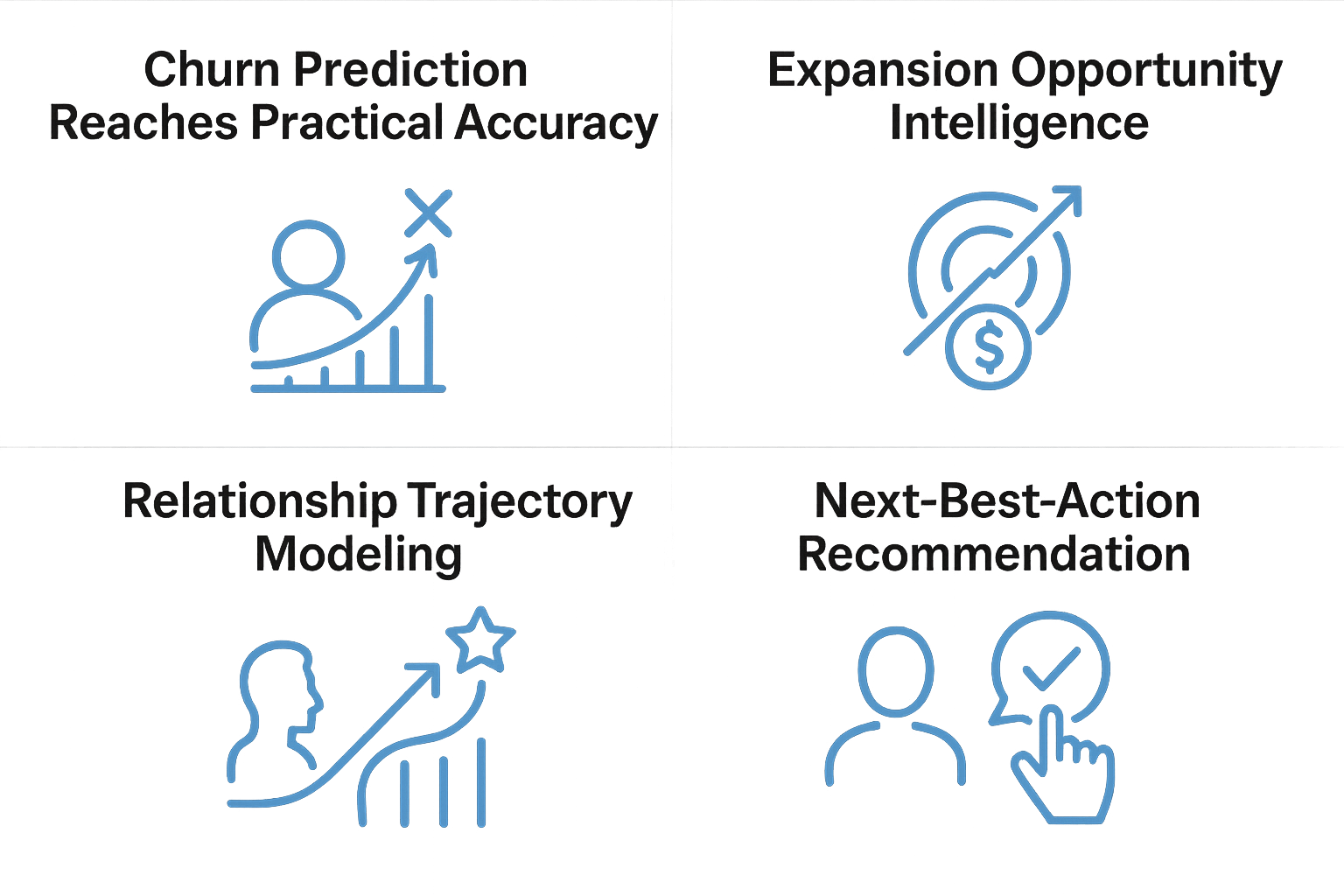
Churn Prediction Reaches Practical Accuracy
While churn prediction has existed for years, 2026 models achieve accuracy levels that enable practical operational deployment. Advanced systems identify at-risk customers weeks or months before cancellation with sufficient precision that intervention campaigns generate positive ROI.
These models analyze hundreds of behavioral signals: declining usage frequency, reduced engagement with communications, increasing support ticket volume, changes in feature utilization patterns, and subtle shifts in communication tone. The system doesn't just flag risk—it diagnoses the underlying causes and recommends specific retention strategies tailored to each customer's situation.
Expansion Opportunity Intelligence
Revenue growth increasingly comes from existing customer expansion rather than new customer acquisition. Modern CRM platforms excel at identifying expansion opportunities by analyzing customer health scores, usage patterns, organizational changes, and lifecycle stages.
The system automatically surfaces accounts ready for upsell conversations, identifies ideal timing for renewal discussions, and suggests specific products or services that align with each customer's evolving needs. Sales teams shift from prospecting mode to strategic advisory relationships as the system handles opportunity identification.
Relationship Trajectory Modeling
Perhaps most remarkably, 2026 CRM systems model the likely evolution of customer relationships over time. These trajectory models predict not just whether a customer will churn, but their probable path of engagement, value generation, and satisfaction over months or years.
Organizations use these projections for strategic planning, resource allocation, and investment prioritization. They can identify which customer segments warrant intensive relationship development efforts and which require more efficient scaled approaches. Strategic clarity emerges from predictive intelligence.
Next-Best-Action Recommendation
Rather than leaving relationship managers to devise strategies independently, advanced CRM platforms continuously recommend next-best-actions for each customer. These recommendations balance immediate goals (closing deals, resolving issues) with long-term relationship value optimization.
The system might recommend that a sales representative prioritize a discovery conversation over a closing attempt, suggest that a support agent offer proactive training rather than waiting for questions, or advise that a customer success manager schedule a strategic planning session based on usage pattern analysis.
These recommendations improve over time through reinforcement learning. The system tracks which suggestions lead to positive outcomes and refines its recommendation logic accordingly, becoming progressively more valuable as organizational knowledge accumulates.
Mobile-First to Mobile-Only CRM
The trajectory of mobile CRM capabilities has accelerated dramatically, with many organizations in 2026 discovering that mobile interfaces have become primary user touchpoints rather than secondary convenience features.
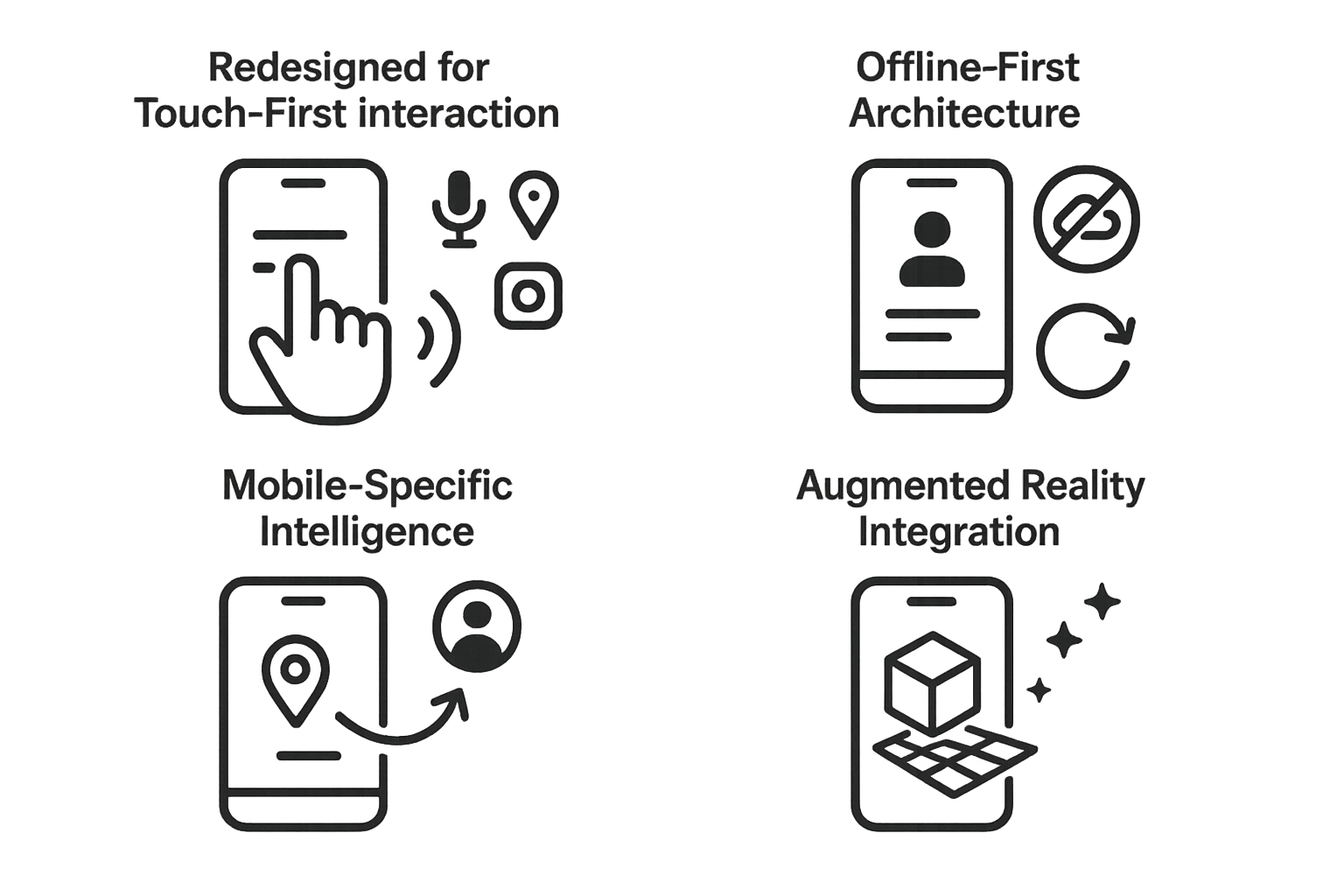
Redesigned for Touch-First Interaction
Early mobile CRM applications essentially squeezed desktop interfaces onto smaller screens. Modern platforms are redesigned from the ground up for touch-first interaction, with gesture-based navigation, voice input optimization, and interfaces that leverage mobile-specific capabilities like camera integration and location awareness.
Field sales teams capture customer meeting notes through voice dictation, photograph business cards for automatic contact creation, and share location data that helps coordinate team activities. The mobile experience isn't a constrained version of desktop functionality—it offers unique capabilities that desktop interfaces cannot match.
Offline-First Architecture
Recognizing that connectivity isn't universal, 2026 mobile CRM applications operate seamlessly regardless of network availability. Users access customer data, update records, and execute workflows while offline, with automatic synchronization when connectivity returns.
This architectural approach transforms mobile CRM from a convenience feature to a mission-critical capability for field teams. Sales representatives confidently access customer information during client meetings in locations with poor coverage. Service technicians update work orders from remote sites without worrying about data loss.
Mobile-Specific Intelligence
Rather than simply adapting desktop features, leading mobile CRM platforms include intelligence specifically designed for mobile contexts. The system understands that sales representatives viewing customer data immediately before a scheduled meeting likely need different information than when they're researching accounts at their desk.
Location awareness enables powerful capabilities: the system automatically surfaces nearby customers when representatives have unexpected free time, suggests optimal routing for customer visits, and identifies opportunities for impromptu in-person touchpoints when representatives happen to be near important accounts.
Augmented Reality Integration
Forward-thinking CRM implementations leverage augmented reality capabilities increasingly common in mobile devices. Service technicians view equipment with AR overlays displaying maintenance history, configuration details, and step-by-step repair instructions. Sales representatives demonstrate products through AR visualizations that place virtual objects in customer environments.
These AR capabilities transform mobile CRM from an information access tool to an immersive engagement platform that creates memorable customer experiences impossible through traditional interfaces.
Autonomous Customer Journey Orchestration
The most sophisticated CRM implementations in 2026 feature autonomous orchestration engines that coordinate complex, multi-channel customer journeys with minimal human intervention.

Self-Optimizing Journey Logic
Traditional marketing automation required humans to design customer journey maps, define trigger conditions, and specify subsequent actions. Modern systems use machine learning to discover effective journey patterns automatically by analyzing which sequences of touchpoints lead to desired outcomes.
The orchestration engine continuously tests variations—different message timing, alternative content, varied channel sequences—and gravitates toward approaches that maximize conversion rates, satisfaction scores, or other defined success metrics. Journey optimization becomes algorithmic rather than manual.
Cross-Channel Coordination
Advanced orchestration engines coordinate customer experiences across all touchpoints simultaneously. When a customer interacts with one channel, the system immediately adjusts strategies across others to maintain coherent narratives and avoid redundant or conflicting messages.
A customer who downloads a pricing guide receives follow-up emails aligned with that specific interest while simultaneously seeing related content on social media and receiving personalized website experiences during their next visit. The system creates seamless narratives across fragmented touchpoints.
Intent-Based Triggering
Rather than relying on simple behavioral triggers (opened email, visited page), modern orchestration engines infer customer intent from complex behavioral patterns. The system distinguishes between casual browsing and serious research, between temporary interest and sustained engagement, between individual exploration and collaborative decision-making.
These sophisticated intent models enable dramatically more relevant interventions. Organizations reduce message volume while increasing effectiveness, as communications reach customers when they're genuinely receptive rather than on arbitrary schedules.
Dynamic Journey Modification
Perhaps most impressively, 2026 orchestration engines adapt journey logic in real-time based on customer responses and contextual factors. A customer showing signs of confusion receives educational content and offers of assistance. A customer displaying purchase readiness signals accelerates through nurturing stages directly to conversion opportunities.
This dynamic adaptation creates experiences that feel personally crafted rather than mass-produced, even though they operate at scale through algorithmic intelligence.
Organizations implementing these sophisticated orchestration capabilities often work with migration experts like SyncMatters to ensure that historical customer interaction data integrates properly with AI-driven journey engines, enabling systems to learn from past experiences rather than starting from zero knowledge.
The New Economics of CRM
The financial models underlying CRM adoption have shifted substantially by 2026, with implications for how organizations evaluate, purchase, and measure return on these strategic systems.
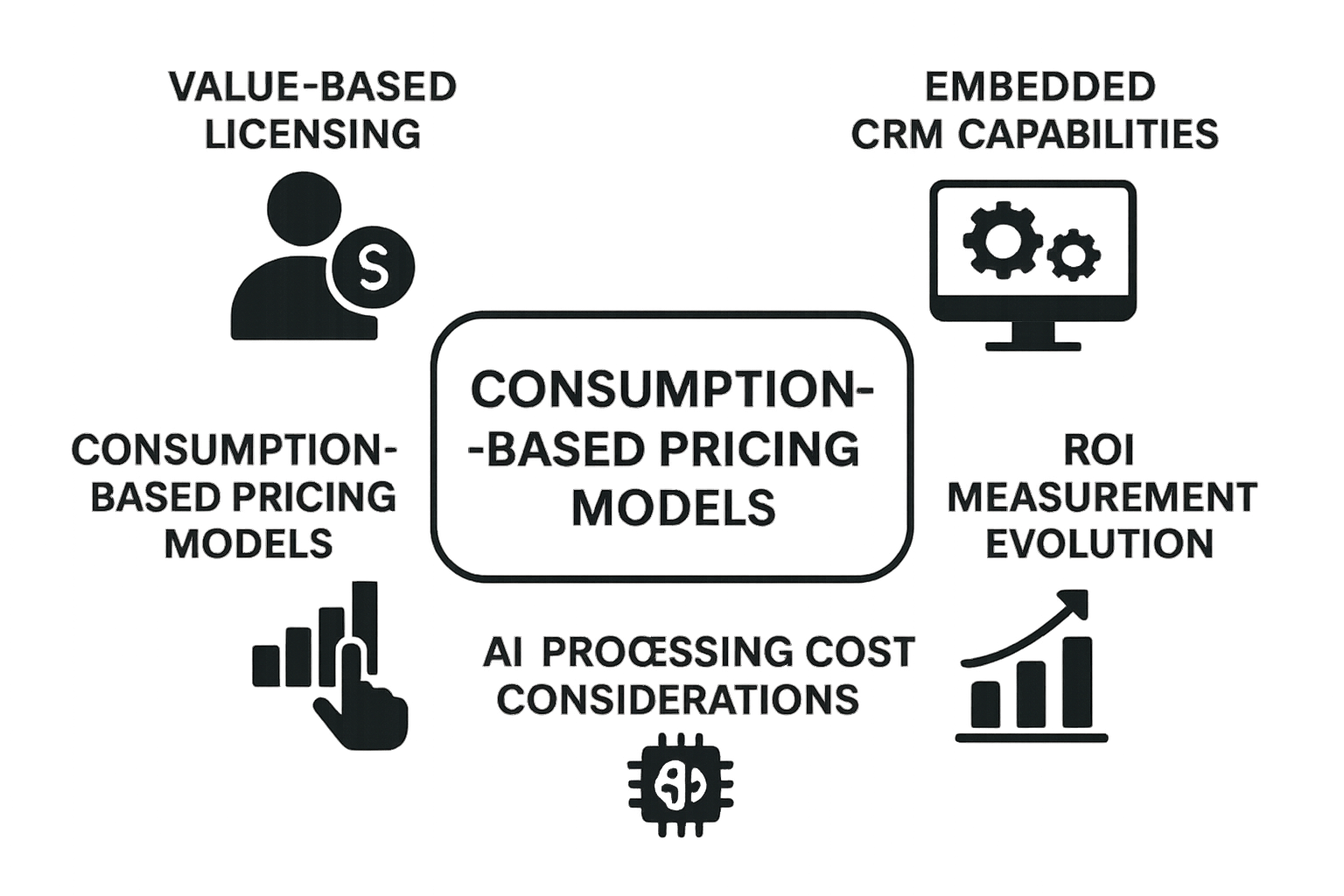
Consumption-Based Pricing Models
Traditional CRM pricing based on user licenses or flat subscription tiers has given way to consumption-based models that align costs with actual value received. Organizations pay based on metrics like number of customers managed, volume of interactions processed, or amount of data analyzed.
This alignment reduces financial risk for growing companies while providing clearer ROI visibility. Organizations can precisely calculate cost-per-customer-managed and make informed decisions about whether CRM investment generates adequate returns for specific customer segments.
Value-Based Licensing
Some vendors have pioneered value-based licensing where CRM costs fluctuate based on business outcomes rather than usage metrics. Organizations pay more when customer retention improves, when sales conversions increase, or when customer satisfaction scores rise—directly linking CRM expense to measurable business value.
While this model requires sophisticated measurement infrastructure, it fundamentally aligns vendor incentives with customer success. CRM providers become invested in ensuring their platforms deliver tangible results rather than simply maintaining feature parity with competitors.
Embedded CRM Capabilities
Rather than purchasing standalone CRM platforms, organizations increasingly access CRM capabilities embedded within other business applications. E-commerce platforms include robust customer management features. Accounting systems incorporate relationship tracking. Project management tools integrate client communication histories.
This embedded approach reduces redundancy and eliminates integration complexity, though it requires careful architectural thinking to maintain unified customer views across applications. Organizations must balance the convenience of embedded capabilities against the risk of creating new data silos.
AI Processing Cost Considerations
As CRM platforms become increasingly AI-powered, computational costs emerge as significant budget factors. Advanced predictive modeling, natural language processing, and real-time personalization engines require substantial processing resources.
Organizations must evaluate AI-driven CRM platforms not just on subscription costs but on total cost of ownership including cloud computing resources. Some vendors include AI processing in base pricing while others charge separately for advanced intelligence capabilities, creating substantial variation in true implementation costs.
ROI Measurement Evolution
Measuring CRM return on investment has become more sophisticated and more quantifiable in 2026. Modern platforms include built-in analytics that track specific business outcomes attributable to CRM capabilities: revenue influenced by AI recommendations, churn prevented through predictive interventions, efficiency gains from automation.
These precise measurements enable data-driven optimization of CRM strategies and justify continued investment based on demonstrated value rather than faith in customer relationship best practices.
Migration Considerations for 2026
As CRM capabilities evolve rapidly, organizations face complex decisions about when and how to migrate between platforms. Strategic migration planning has become a critical competency for modern businesses.
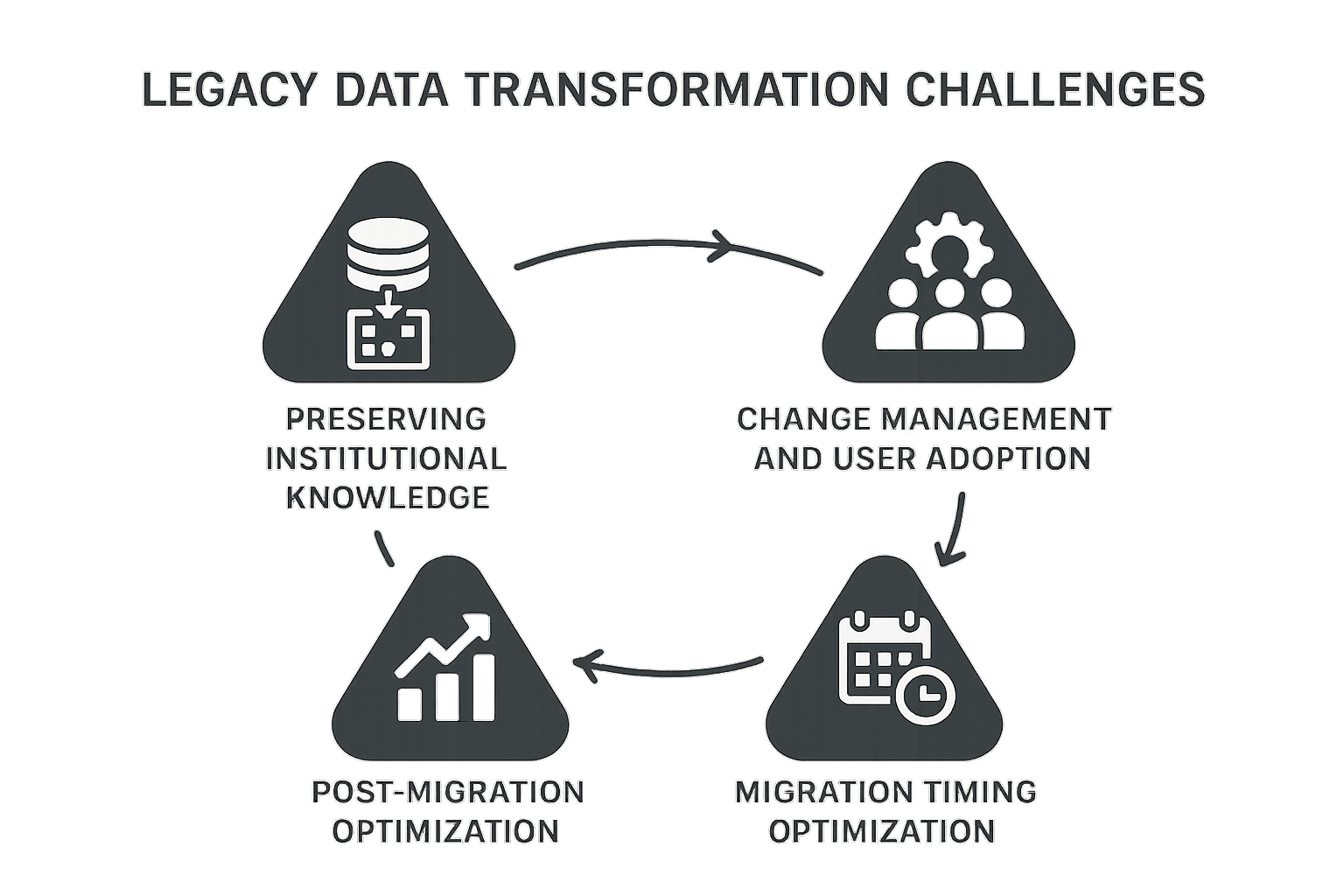
Legacy Data Transformation Challenges
The most significant migration challenge involves transforming data structures from legacy systems into formats compatible with modern CRM platforms. Historical customer records often lack the metadata, standardization, and relational integrity that contemporary systems expect.
Organizations must invest substantial effort in data cleansing, enrichment, and structural transformation before migration. This work includes standardizing naming conventions, resolving duplicate records, mapping relationships between data entities, and enriching records with missing information.
Specialized migration services like those provided by SyncMatters have emerged to address these challenges, offering expertise in data mapping, transformation rule development, and quality assurance processes that ensure historical information transfers accurately into new systems.
Preserving Institutional Knowledge
Beyond raw data, organizations must preserve institutional knowledge embedded in legacy CRM systems. This includes custom field definitions, automated workflow logic, report configurations, and integration patterns that reflect years of business process refinement.
Successful migrations involve comprehensive discovery processes that document existing system capabilities and business logic before attempting transitions. This documentation ensures that critical functionality doesn't disappear during platform changes.
Change Management and User Adoption
Technical migration success means nothing if users don't adopt new systems effectively. Organizations that successfully navigate CRM transitions invest heavily in change management: communicating benefits clearly, involving users in configuration decisions, providing comprehensive training, and establishing support resources for transition periods.
The most effective approaches frame migrations not as technology projects but as business transformation initiatives with technology components. Users who understand how new CRM capabilities will improve their daily work embrace change more readily than those presented with technical upgrades.
Migration Timing Optimization
Choosing optimal migration timing can significantly impact success. Organizations must balance urgency to access new capabilities against operational disruption risks. Migrations during peak business periods create chaos, while transitions during slow seasons may lack urgency that drives completion.
Many organizations adopt phased migration strategies, moving specific departments, customer segments, or functional areas sequentially rather than attempting comprehensive transitions simultaneously. This approach reduces risk while accelerating learning as early phases inform subsequent migration decisions.
Post-Migration Optimization
Migration completion marks the beginning rather than the end of optimization work. Organizations should plan for extended periods of configuration refinement, integration tuning, and process adjustment as they discover how new CRM capabilities can improve operations beyond simply replicating legacy functionality.
This optimization phase represents the greatest opportunity for value creation. Organizations that view migration as transformation rather than replication unlock innovation possibilities that justify transition investments.
Strategic Recommendations Framework
Based on the trends shaping CRM in 2026, organizations should evaluate their strategies using this comprehensive framework that balances innovation with practical implementation considerations.
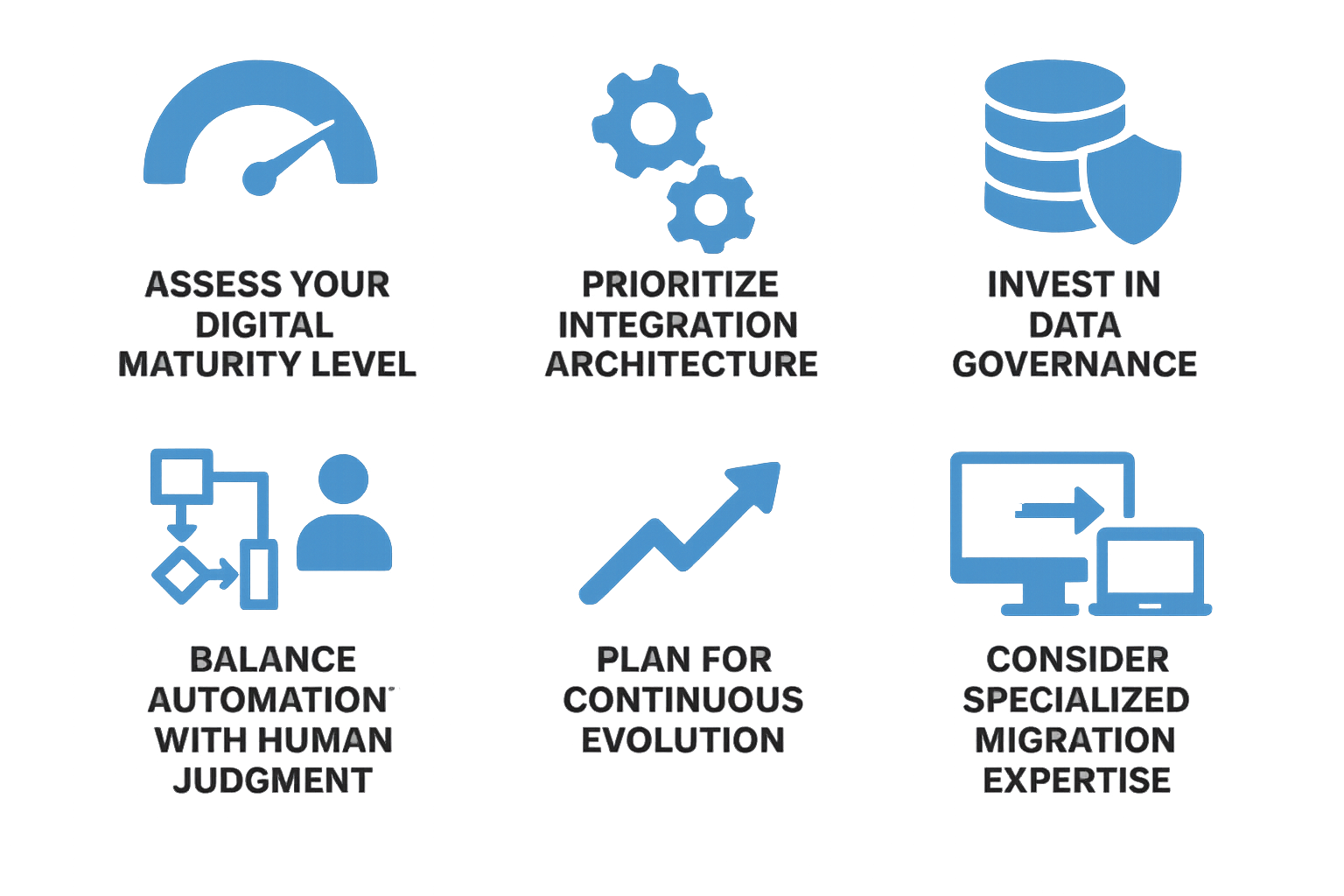
Assess Your Digital Maturity Level
Before pursuing advanced CRM capabilities, honestly evaluate your organization's digital sophistication. Organizations with limited technical resources attempting to implement AI-driven, ecosystem-orchestrated, autonomously-optimizing platforms often struggle with complexity that overwhelms their capabilities.
Start with capabilities matching your current maturity, then progressively expand functionality as competencies develop. Sustainable growth trumps ambitious overreach when building strategic CRM foundations.
Prioritize Integration Architecture
Whatever CRM platform you select, prioritize integration capabilities over specific features. The best standalone features provide limited value if they operate in isolation from your broader technology ecosystem.
Evaluate platforms based on API quality, pre-built connector availability, event-driven architecture support, and ecosystem monitoring capabilities. Organizations that excel at integration can assemble best-of-breed stacks that outperform monolithic platforms regardless of individual component limitations.
Invest in Data Governance
Advanced CRM capabilities require high-quality data. Organizations that neglect data governance initiatives find that sophisticated AI predictions, personalization engines, and predictive analytics generate unreliable outputs based on flawed inputs.
Establish data quality standards, implement validation rules, create clear ownership models, and invest in ongoing cleansing efforts. Data governance isn't optional infrastructure—it's the foundation upon which all advanced capabilities depend.
Balance Automation with Human Judgment
While autonomous capabilities deliver efficiency gains, organizations should resist the temptation to eliminate human oversight entirely. The most effective CRM strategies position automation as augmentation that enhances human judgment rather than replacing it.
Maintain human review for high-stakes decisions, edge cases that fall outside model training parameters, and situations where empathy and creativity provide value beyond algorithmic optimization. Hybrid approaches that leverage both artificial and human intelligence typically outperform purely automated alternatives.
Plan for Continuous Evolution
CRM capabilities will continue evolving rapidly beyond 2026. Rather than viewing platform selection as a permanent decision, adopt an architectural mindset that facilitates ongoing adaptation.
Choose platforms with clear upgrade paths, maintain modular architectures that enable component substitution, document integration patterns thoroughly, and build internal capabilities that reduce vendor dependency. Organizations positioned for continuous evolution maintain competitive advantages as technology landscapes shift.
Consider Specialized Migration Expertise
Organizations undertaking significant CRM transitions should seriously consider partnering with migration specialists rather than attempting implementations with only internal resources or standard consulting support. Firms like SyncMatters bring dedicated expertise in data migration, integration preservation, and transition risk mitigation that generalist consultants cannot match.
This specialized support proves particularly valuable for complex migrations involving legacy systems, extensive customizations, or mission-critical data that cannot tolerate accuracy compromises. The investment in expert guidance typically generates returns through reduced risk, accelerated timelines, and superior outcomes.
Establish Clear Success Metrics
Before implementing new CRM capabilities, define specific success metrics that will determine whether investments generate adequate returns. Vague goals like "improve customer relationships" provide no basis for evaluation.
Instead, establish quantifiable targets: reduce churn by specific percentages, increase expansion revenue from existing customers by defined amounts, improve first-contact resolution rates to target levels, or decrease sales cycle lengths by measurable days. Clear metrics enable data-driven optimization and justify continued investment.
Frequently Asked Questions
How much should organizations expect to invest in modern CRM platforms?
Total cost of ownership for sophisticated CRM implementations typically ranges from $50,000 to $500,000+ annually for mid-market organizations, depending on company size, feature requirements, and data volumes. This includes platform licensing, integration development, AI processing costs, training investments, and ongoing optimization efforts. Consumption-based pricing models provide more flexibility but require careful monitoring to avoid unexpected expense escalation.
Can small businesses benefit from advanced CRM capabilities, or are these features primarily for enterprises?
Many advanced capabilities have become accessible to small businesses through scaled versions of enterprise platforms and specialized small business offerings. AI-powered features, integration capabilities, and automation tools now operate effectively for organizations with hundreds rather than thousands of customers. The key consideration is whether your business processes are sufficiently sophisticated to justify the learning curve, not whether you have enterprise scale.
How long do CRM migrations typically take?
Migration timelines vary enormously based on data volume, system complexity, and implementation scope. Simple migrations involving limited data and minimal customization may complete within weeks. Complex enterprise migrations involving multiple legacy systems, extensive custom integrations, and comprehensive data transformation often require 6-18 months. Phased approaches allow organizations to realize value incrementally rather than waiting for complete transitions.
What happens to our data if we need to switch CRM platforms again in the future?
Modern CRM platforms typically provide data export capabilities that enable migration to alternative systems. However, export formats, data completeness, and structural preservation vary significantly between vendors. When evaluating platforms, specifically inquire about data portability, export format options, and any contractual restrictions on data access. Organizations should also maintain independent backups rather than relying solely on vendor-provided export capabilities.
How do privacy regulations affect CRM implementation decisions?
Privacy regulations like GDPR and CCPA substantially influence CRM architecture decisions. Organizations must ensure platforms provide adequate consent management, data access controls, retention policy enforcement, and deletion capabilities. Vendors with operations primarily in privacy-regulated jurisdictions typically offer more sophisticated compliance features than those operating mainly in less-regulated markets. Carefully evaluate compliance capabilities during vendor selection rather than treating privacy as an afterthought.
Should we build custom CRM solutions or purchase commercial platforms?
Few organizations should invest in custom-built CRM systems given the sophistication of commercial offerings. The exceptions are organizations with truly unique business models that commercial platforms cannot accommodate, or companies with specific competitive advantages derived from proprietary customer relationship approaches. For most organizations, commercial platforms provide superior capabilities at lower total cost than custom development, with the added benefit of continuous improvement funded by vendor R&D investments.
How important is mobile CRM functionality for our organization?
Mobile functionality importance correlates strongly with how frequently your teams interact with customers outside office environments. Organizations with substantial field sales forces, on-site service teams, or remote workers should prioritize mobile capabilities. Companies where customer interactions occur primarily at desks can treat mobile as secondary convenience features rather than core requirements. Evaluate your specific workflows rather than following generic best practices.
What role should customer self-service portals play in our CRM strategy?
Customer self-service capabilities are becoming essential components of comprehensive CRM strategies. These portals reduce support costs while often increasing customer satisfaction by providing immediate access to information and services. Organizations should evaluate self-service not as alternatives to human support but as complementary capabilities that handle routine requests while freeing human agents for complex issues requiring judgment and empathy.
How do we ensure our CRM implementation doesn't become another unused technology investment?
Sustainable CRM adoption requires treating implementation as an ongoing change management initiative rather than a one-time technology project. Key success factors include: executive sponsorship that communicates strategic importance, user involvement in configuration decisions, comprehensive training programs, clear processes that leverage CRM capabilities, and continuous optimization based on usage analytics. Organizations that maintain focus on business outcomes rather than technical features achieve substantially higher adoption rates.
Can CRM platforms integrate with our existing technology stack?
Most modern CRM platforms offer extensive integration capabilities, but specific compatibility depends on your existing tools and their API availability. During vendor evaluation, request demonstrations of integrations with your specific applications rather than accepting general claims of integration capability. Organizations with substantial legacy systems or niche applications may need to budget for custom integration development even when selecting highly compatible platforms.
Conclusion
The CRM landscape in 2026 represents a fundamental evolution from customer databases to intelligent relationship orchestration platforms. Organizations that view CRM strategically—as foundations for customer understanding, engagement optimization, and value creation—position themselves competitively regardless of which



.svg)